
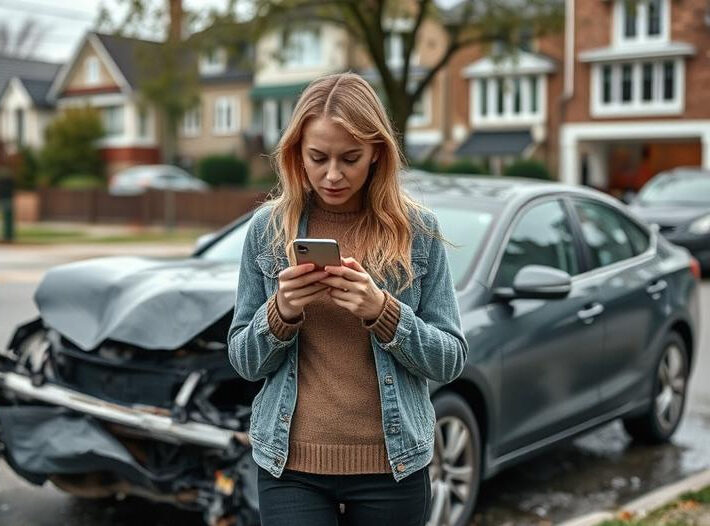
Being involved in a car accident can be overwhelming—especially with injuries, vehicle damage, and insurance claims to deal with. In the midst of all this, one important detail that’s often overlooked is retrieving your personal items from the vehicle. Whether your car is towed, impounded, or left at a collision scene, here’s a comprehensive guide for Ontario drivers on how to safely and legally recover their belongings after an accident.
🚨 What to Do Right After the Accident
1. Prioritize Safety
Move to a safe location if possible, and ensure that everyone involved is out of immediate danger. If the vehicle poses a risk to others on the road, alert authorities or emergency services right away.
2. Check for Injuries
Before anything else, make sure you and any passengers are physically okay. If there are injuries, seek medical attention immediately—personal safety comes before property recovery.
🧳 When and How to Retrieve Your Belongings
1. Talk to Police at the Scene
If officers respond to the accident, inform them that you’ll need to access the vehicle to collect personal items. They may allow you to retrieve them immediately or advise you to wait until the vehicle is moved.
2. Locate the Tow Yard
If the car is towed, the police or tow truck operator will usually provide the name and location of the storage facility. You may need ID and possibly written permission to access the vehicle.
3. Get Permission First
Before visiting the tow yard or storage location, call ahead to confirm hours, required documents (e.g., proof of ownership), and any fees. You may not be allowed to open the vehicle without proper authorization.
📋 How to Safely Collect Items from the Vehicle
1. Be Prepared
Wear protective gear like gloves, closed-toe shoes, or even a safety vest if needed. Accident sites and damaged vehicles can have broken glass, sharp metal, or slippery surfaces.
2. Document Everything
As you remove items, take photos and make a list of what you’re collecting. This helps with insurance claims for damaged or lost property and ensures accountability.
3. Focus on Essentials
Don’t forget to retrieve:
- Driver’s license
- Car registration
- Insurance documents
- Bank or credit cards
- Cell phones
- Medications
- Valuables or electronics
- Personal keepsakes or work items
⚖️ Legal and Insurance Considerations
1. File a Claim for Damaged Personal Property
If your items were damaged in the crash, you may be eligible for compensation through your auto insurance or a third party’s liability coverage. Detailed records and photos help support your case.
2. Consult a Lawyer if Needed
If you’re denied access to your belongings, face issues with an insurance claim, or feel your rights are being ignored, speak with a lawyer experienced in motor vehicle or personal property law in Ontario.
✅ Helpful Tips for Easier Retrieval
- Stay Organized: Keep important items in a consistent location inside your vehicle to make them easier to retrieve after a crash.
- Digital Backups: Take photos of key documents and items in your car in case they become inaccessible or lost.
- Label Your Belongings: Especially useful if others may be handling or transporting your items after a serious collision.
💬 Don’t Forget Emotional Well-being
Car accidents can have a lasting emotional impact. Whether you’re feeling shaken, anxious, or stressed, consider:
- Talking to a therapist or counselor
- Taking time off if needed
- Speaking with friends or family for support
Mental health is just as important as physical recovery, and seeking help is a smart, proactive step.
🛑 Final Thoughts: Be Safe, Be Informed, Be Prepared
In Ontario, retrieving your personal belongings after a car accident involves more than just opening your car door. It’s about safety, documentation, and knowing your rights. By acting calmly and following the right procedures, you can ensure that your items are safely recovered and that you’re not left dealing with more stress than necessary.
Whether it’s coordinating with law enforcement, navigating towing policies, or filing an insurance claim, this process doesn’t have to be overwhelming. Preparation, awareness, and legal support (if needed) can help you move on from the accident with your personal property—and peace of mind—intact.