
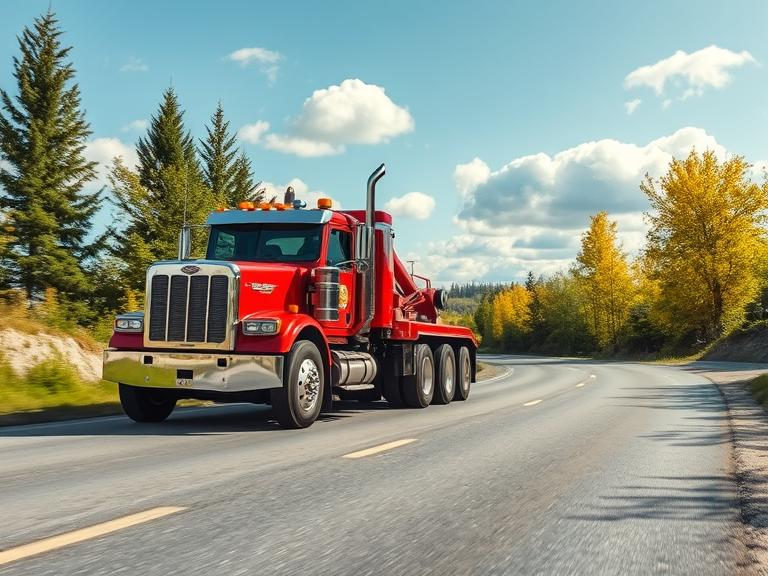
A car accident can quickly turn into a confusing and stressful experience—especially when a tow truck arrives at the scene. In Ontario, it’s essential to understand your rights, the regulations around towing, and how to avoid potential pitfalls. This guide will help you make informed decisions when dealing with towing services after a crash.
What to Do Immediately After an Accident
1. Ensure Everyone’s Safety
Your first priority should always be safety. Check for injuries, call emergency services if needed, and move your vehicle to a secure spot if it’s safe to do so. Avoid standing in traffic or leaving your vehicle in dangerous positions.
2. Check for Injuries
Assess yourself and others for any signs of injury. If anyone appears hurt, even slightly, don’t delay in getting medical help. Health and safety come before anything else.
Know the Rules: Ontario’s Towing Laws
1. Consent Is Mandatory
Tow truck drivers are not allowed to tow your vehicle without your permission. In Ontario, you or someone authorized by you must approve the tow—either verbally or in writing.
2. Fee Transparency Is Required
Towing operators must tell you upfront what their rates are, including how much they charge for the tow itself, mileage, and any storage fees. This helps avoid surprise charges later.
Choosing the Right Towing Option
1. Use Your Preferred Company
If you have a go-to roadside assistance provider or towing service through your insurer, let the police and your insurer know. They may be able to arrange for that specific company to handle the tow.
2. Check Your Insurance Policy
Some auto insurance plans offer towing reimbursement or include towing under roadside assistance. Review your policy to see what expenses might be covered.
Handling Tow Truck Operators Professionally
1. Confirm Their Identity
Ask the operator for ID and check the name of the towing company. Be cautious and don’t allow anyone to tow your car until you’ve confirmed their credentials.
2. Ask About Fees in Advance
Before agreeing to any service, request a full cost estimate—this includes towing, mileage, and potential storage. Clarity at this stage can prevent disputes later on.
Understanding Your Rights and Responsibilities
1. You Can Say No
If you’re not comfortable with the tow truck or prefer a different provider, you are not obligated to accept the service. Communicate your choice clearly and firmly.
2. Always Get a Receipt
Ask for a detailed invoice that outlines all charges and services provided. This will be essential if you need to make an insurance claim or lodge a complaint.
After the Tow: Next Steps
1. Know Where Your Car Is Going
Ask where your vehicle is being taken—whether it’s a storage yard, repair facility, or another destination. Make sure to get the address and contact information.
2. Notify Your Insurer
As soon as you know where your vehicle has been towed, update your insurance provider. This speeds up the claim process and helps coordinate repairs.
Avoiding Scam Tactics and Predatory Practices
1. Be Wary of Unsolicited Tow Trucks
Avoid giving authorization to tow trucks that show up uninvited at accident scenes. These “chaser” operators may charge exorbitant fees or mishandle your vehicle.
2. Do Some Research Beforehand
If possible, identify a reputable towing company before you ever need one. Online reviews and local recommendations can help you find a reliable provider.
Getting Legal Support If Needed
1. Report Problems Promptly
If you feel you were overcharged or that your vehicle was towed without permission, document everything and consider legal advice. Ontario’s Ministry of Government and Consumer Services can assist with complaints.
2. Know Your Legal Protections
Understanding Ontario’s consumer laws regarding towing can help you stand up for your rights and take action if you’ve been treated unfairly.
Final Thoughts
By staying informed and acting calmly, you can reduce the stress of dealing with tow truck services after an accident. Always prioritize safety, ensure all charges are disclosed, and keep your insurance provider informed. Taking these steps will help you protect your vehicle—and your wallet—during an already difficult situation.