
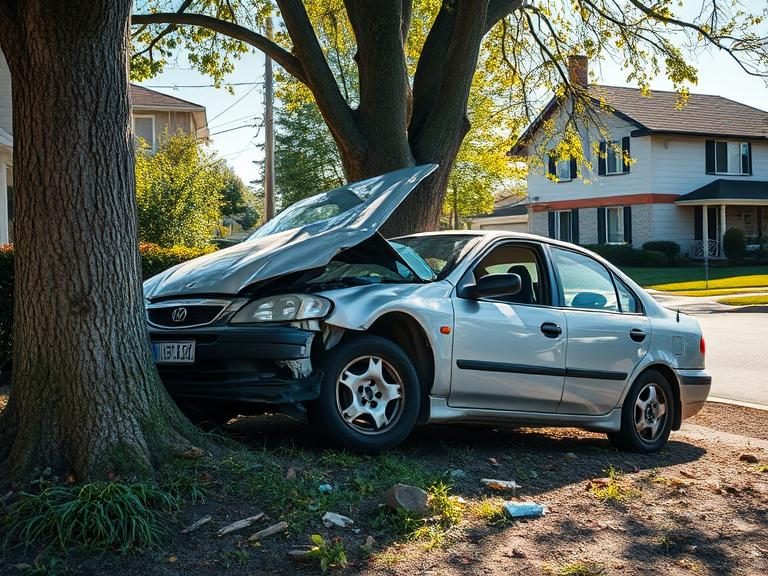
When you’re injured in a car accident in Ontario, your first point of support is the Accident Benefits coverage included in your auto insurance. These benefits are meant to help cover medical expenses, rehabilitation, income loss, and other critical supports. While the benefits for minor injuries and catastrophic impairments are well-defined, there’s a lesser-known middle ground that many accident victims fall into—non-catastrophic injuries. Here’s what you need to know if your injuries don’t clearly fall into either extreme.
What Qualifies as Minor or Catastrophic?
Before diving into the complexities of in-between cases, it’s important to understand how Ontario’s Statutory Accident Benefits Schedule (SABS) defines injury categories:
- Minor Injuries are usually limited to soft tissue damage, such as sprains, strains, and whiplash. As per updates in 2020, these injuries come with a strict $3,500 treatment cap—unless complications arise that elevate the severity of the injury.
- Catastrophic Impairments involve the most severe cases, like traumatic brain injuries, spinal cord damage, amputations, or serious psychological trauma. These cases qualify for significantly higher benefits due to the long-term, often permanent, care needs.
Caught in the Middle: Non-Catastrophic Injury Claims
If your injuries are serious but don’t meet the threshold for being deemed catastrophic, you fall into the non-catastrophic category. Here’s what that entails:
- Coverage Limits: While benefits are more generous than those for minor injuries, they remain restricted compared to catastrophic cases. This coverage may include medical and rehabilitation funding, attendant care, and partial income replacement.
- Time and Financial Caps: The SABS outlines how long and how much can be claimed for various supports under this category. These rules are subject to change as legislation evolves.
Rehabilitation and Treatment Access
For non-catastrophic injuries, Accident Benefits aim to support recovery through medical treatments and therapy. However, coverage often hinges on frequent assessments. Insurers may request updates from medical professionals to confirm that ongoing care is necessary.
Lost Income and Your Right to Compensation
If your injuries prevent you from working, you may qualify for income replacement benefits. Typically, this is calculated as a percentage of your pre-accident income, subject to maximums dictated by your policy. The amount may not fully replace your earnings, but it’s designed to alleviate financial pressure during recovery.
Handling Disputes with Insurers
Insurance disputes are common in non-catastrophic injury claims—especially when coverage is denied or prematurely discontinued. In Ontario, these disputes are resolved through the License Appeal Tribunal (LAT), a formal process where each party can present evidence. Having legal support during these proceedings is often advisable.
Why Legal Advice Can Be Critical
Ontario’s insurance laws are complex. A personal injury lawyer with experience in motor vehicle accidents can provide crucial assistance—helping you build your claim, negotiate with insurers, and represent you at the LAT if necessary. Legal expertise is especially important when benefit disputes threaten your recovery.
Common Challenges for Non-Catastrophic Claimants
Two significant hurdles often arise:
- Benefit Limitations: Non-catastrophic claimants often face capped funding, which can interfere with sustained treatment.
- Regulatory Changes: Ontario’s insurance regulations are dynamic. Any changes to the SABS could shift your entitlement, requiring you to stay informed or rely on legal guidance.
Final Thoughts
If your injuries are more than minor but less than catastrophic, navigating Ontario’s Accident Benefits can be frustrating. Understanding your rights, being proactive with medical documentation, and seeking legal counsel can make a substantial difference. Though the system can be complex, the support you need for recovery is there—if you know how to access it.