
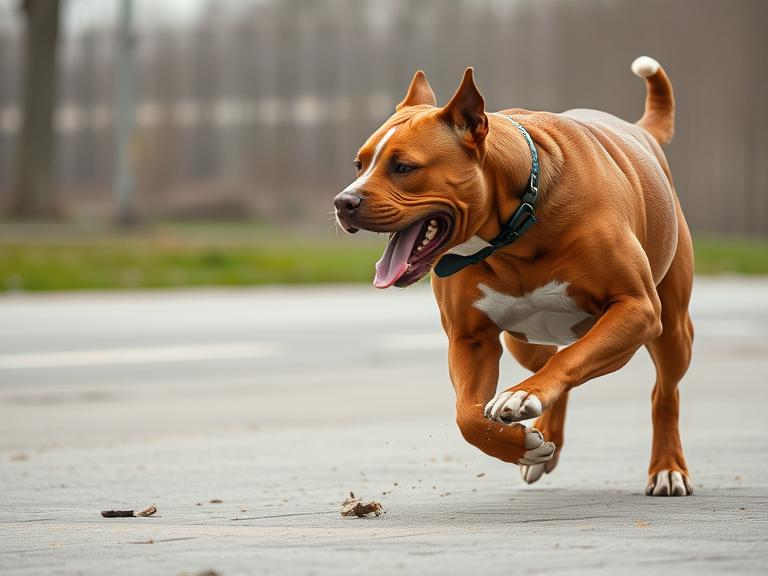
Dogs are beloved members of many families in Ontario, but even the most well-behaved dog can occasionally act aggressively, leading to potential legal consequences for owners. Under Ontario’s Dog Owners’ Liability Act (DOLA), dog owners can be held fully responsible for any injuries caused by their dogs, regardless of previous behavior. In more serious cases, a dog may be designated as “dangerous,” resulting in restrictions such as a muzzle order. Here’s how you can prevent your dog from being labeled dangerous and ensure a responsible pet-owner relationship.
What Makes a Dog “Dangerous” in Ontario?
A dog can be declared dangerous in Ontario through either a court order or municipal by-law enforcement. If a dog bite occurs, a judge may order the dog to wear a muzzle or face other restrictions. Similarly, animal control officers can investigate complaints and, if they find evidence of a threat, can initiate proceedings to declare the dog dangerous.
Key Factors in Dangerous Dog Designation
The severity of the dog’s behavior is a critical factor in determining whether it is dangerous. Some of the key considerations include:
- Bite Severity: A serious injury from a bite significantly increases the likelihood of a dangerous dog designation.
- History of Aggression: Previous unprovoked attacks can make it easier for authorities to label a dog as dangerous.
- Temperament Evaluation: Professional assessments of a dog’s temperament by behaviorists or animal control officers are used to determine its potential for future aggression.
Preventive Measures to Avoid Dangerous Dog Designations
To avoid your dog being labeled dangerous, it’s essential to be a responsible dog owner. Here are some preventative strategies:
- Early Socialization: Introducing your dog to different environments, people, and other animals from a young age can prevent fear-based aggression later on.
- Obedience Training: A well-trained dog is easier to control and less likely to display aggressive behavior in unfamiliar situations.
- Understanding Dog Behavior: Learn to identify signs of stress, anxiety, or aggression to intervene before a situation escalates.
- Leash Use and Control: Always keep your dog on a leash in public spaces to prevent unexpected interactions with other animals or people.
- Address Behavioral Issues Early: If you notice any signs of aggression, seek professional help immediately. Early intervention can prevent future incidents.
Additional Safety Measures
In addition to training, here are other steps to enhance your dog’s safety:
- Neutering or Spaying: This can reduce aggression driven by territorial or hormonal factors.
- Supervision Around Children: Always supervise your dog when interacting with children to prevent accidental injuries.
- Up-to-Date Vaccinations: Ensure your dog’s vaccinations are current to prevent the spread of diseases, particularly in the case of a bite.
Building Trust with Authorities
If your dog does bite someone, it’s important to cooperate with animal control officers. Be transparent and provide information about your dog’s training and vaccinations. Open communication shows you are a responsible owner and can help mitigate the risk of further legal action.
Professional Help for Aggressive Dogs
If you notice signs of aggression or unusual behavior, it’s crucial to seek advice from a certified animal behaviorist. They can help identify triggers and develop a training plan to address the problem.
Conclusion: Ensuring a Safe and Happy Life for Your Dog By taking a proactive approach to training, socialization, and overall responsible dog ownership, you can minimize the risk of your dog being labeled dangerous. A well-behaved, properly trained dog not only enjoys a happier life but also ensures a safer community for everyone.