
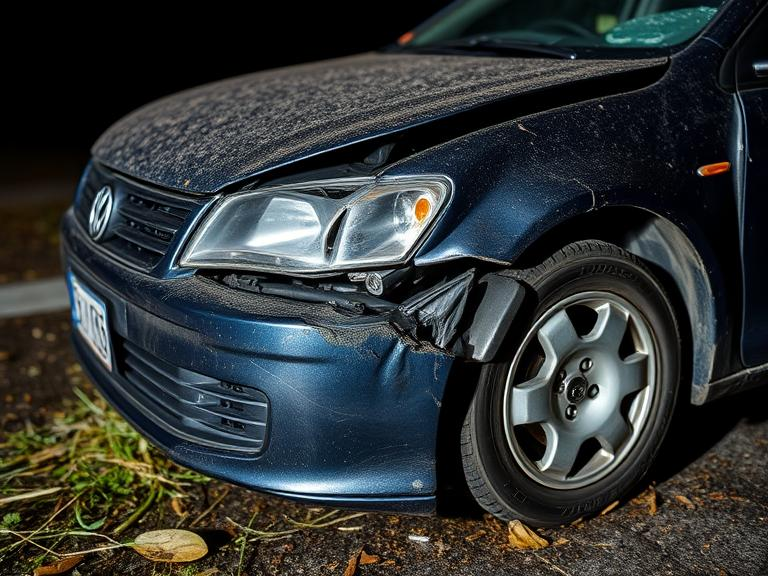
Experiencing a car accident can be overwhelming and disorienting. In those crucial moments after the impact, it’s essential to take specific actions that prioritize safety, protect your legal rights, and set the stage for proper documentation. This guide offers clear, step-by-step advice on how to manage the aftermath of a car accident in Ontario, ensuring you’re prepared to deal with the situation effectively.
1. Safety First: Secure Yourself and Others
Your immediate priority after an accident should be safety. If you’re able, move your vehicle to a safer spot away from traffic to avoid further hazards. Turn on your hazard lights to alert other drivers. Assess yourself and any passengers for injuries. If there are injuries, call 911 immediately and wait for emergency responders. Only attempt to move someone if there’s an immediate risk to their life, such as a fire.
2. Notify Authorities
For any injury or significant damage, call the police to report the incident. Even if the accident seems minor, it’s wise to involve law enforcement. They will file a report, which is essential for insurance purposes. If your vehicle is disabled, consider calling for roadside assistance as well.
3. Exchange Information
Exchange necessary information with other involved drivers, such as:
- Full name
- Driver’s license number
- Insurance details (company and policy number)
- Vehicle registration (license plate, make, model, and year)
- Contact info of any witnesses to the incident
4. Document the Incident
Take photographs of the scene, including the damage to all vehicles, skid marks, nearby traffic signs, and any other relevant details. Capture images from multiple angles to provide a clear record of the situation. If there were witnesses, ask for their contact details for future reference.
5. Report to the Authorities
In Ontario, accidents that result in injuries or property damage exceeding $2,000 must be reported to the police. For less severe accidents where damages are under $2,000, you can report the incident to a Collision Reporting Centre (CRC) within 24 hours.
6. Seek Medical Evaluation
Even if you don’t feel injured, it’s wise to get a medical checkup. Some injuries, like soft tissue damage or concussions, may not be immediately obvious. A health professional can evaluate your condition and provide treatment if necessary.
7. Notify Your Insurance Company
Promptly report the accident to your insurance company. Provide them with accurate and detailed information, including the police report if available. Follow their instructions for filing a claim and scheduling repairs.
8. Consider Legal Advice
If the accident results in severe injuries or significant property damage, it may be helpful to consult with a personal injury lawyer. They can guide you through the claims process, help protect your legal rights, and potentially assist in pursuing compensation.
Additional Tips for Drivers in Ontario
- Keep copies of your insurance and vehicle registration in your car.
- Carry a first aid kit and emergency supplies in your vehicle.
- Installing a dashcam can help provide valuable evidence in case of accidents.
- Familiarize yourself with Ontario’s “no-fault” insurance system, which means your insurance covers your initial expenses, regardless of who caused the accident.
- Stay calm and cooperate with police officers and the other drivers involved.
Knowing what steps to take following a car accident can alleviate some of the stress and confusion of the situation. By following this guide, you can protect your rights, ensure your safety, and begin your recovery.