
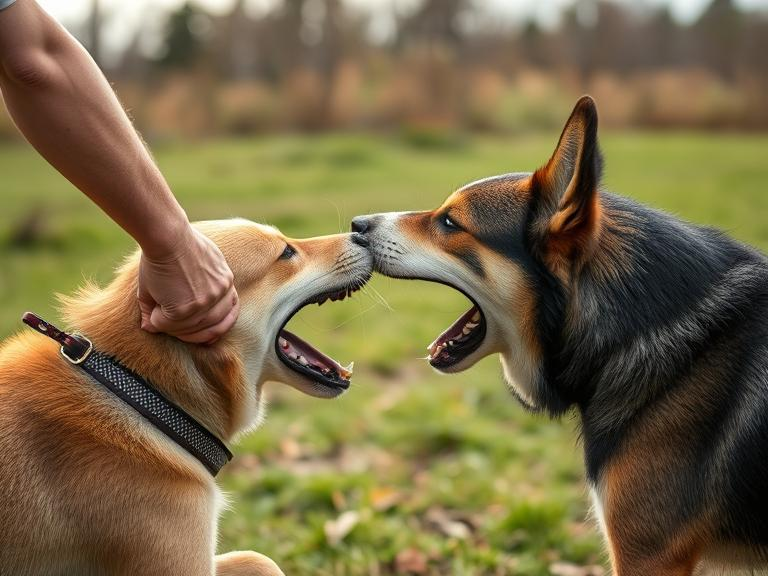
Dog ownership in Ontario is deeply ingrained in the community, but the issue of dog bites continues to raise safety concerns. In response, lawmakers and legal professionals are considering potential changes to dog bite laws. This article looks at the current state of dog bite law in Ontario, potential reforms, and emerging legal trends.
Ontario’s Current Dog Bite Law: Strict Liability under DOLA
At the heart of Ontario’s dog bite legislation is the Dog Owners’ Liability Act (DOLA), which enforces “strict liability.” This means dog owners are automatically responsible for any injuries or damages caused by their dog, regardless of the dog’s prior behavior, breed, or the owner’s knowledge of its aggression. While this approach ensures victims receive compensation, critics argue that it may unfairly penalize responsible dog owners whose well-behaved pets are involved in unexpected incidents.
Possible Changes on the Horizon: Alternative Approaches to Dog Bite Liability
Several potential reforms to dog bite law in Ontario are currently under consideration:
- The “One Bite” Rule: This would exempt dog owners from liability for the first bite, provided the dog has no prior history of aggressive behavior. Supporters argue it encourages responsible pet ownership, but critics worry it could allow dangerous dogs to bite once without consequences.
- Negligence-Based Liability: Under this model, victims would need to prove that the dog owner’s negligence contributed to the attack. While this system is more aligned with other personal injury claims, it could leave victims without compensation in cases where negligence is difficult to prove.
- Expanded Dangerous Dog Designations: Ontario’s current law allows for dangerous dog designations after serious attacks or repeat offenses. Potential changes could broaden the criteria for such designations, but the success of this approach depends on accurate assessments and effective enforcement.
Emerging Trends in Dog Bite Cases
Aside from potential legal changes, new trends are emerging in dog bite cases:
- Breed-Specific Liability: Some cases are considering the breed characteristics of certain dogs in determining liability. However, this raises concerns about unfair discrimination based on breed rather than individual behavior.
- Landlord Liability: As dog bite incidents involving tenants’ pets become more common, there may be more legal clarity regarding landlords’ responsibility to screen tenants with dogs or enforce pet policies.
- Shared Responsibility: In some cases, courts are exploring shared liability between the dog owner and the victim. This could involve both parties contributing to the incident, but it also adds complexity to the case, potentially leading to longer legal battles.
Balancing Public Safety with Responsible Ownership
The future of dog bite laws in Ontario will likely involve finding a balance between public safety and responsible dog ownership. While the strict liability model offers clear compensation for victims, it doesn’t always account for individual situations.
The Importance of Responsible Dog Ownership
Regardless of legislative changes, responsible dog ownership remains a cornerstone of preventing dog bite incidents. Key practices include:
- Early Socialization: Ensuring your dog is comfortable around people and other animals from a young age can prevent behavioral issues.
- Obedience Training: Proper training can help you maintain control over your dog, especially in public spaces.
- Understanding Dog Behavior: Recognizing signs of stress or discomfort in your dog can help you intervene before an aggressive situation arises.
- Adhering to Leash Laws: Always follow leash laws and keep your dog under control when in public places.
Conclusion: A Collaborative Path Forward
The future of dog bite law in Ontario will be shaped by changes in legislation, evolving legal trends, and a growing emphasis on responsible dog ownership. By fostering collaboration between lawmakers, legal experts, and pet owners, Ontario can create a legal framework that ensures public safety while promoting positive relationships between people and dogs. Through responsible practices and preventive measures, we can move toward a future where dog bites are rare, and both humans and dogs can coexist harmoniously.