
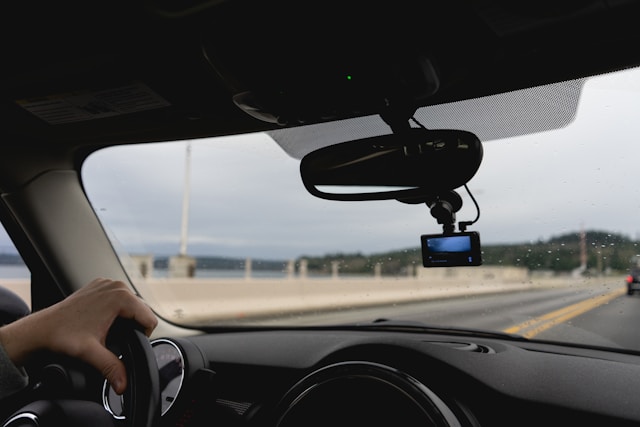
In Ontario, determining fault in a car accident can be a complicated and pivotal part of resolving insurance claims and legal disputes. In recent years, the use of dashcams and other video recording devices has significantly impacted how evidence is collected and assessed. These devices offer a clear, objective record of events that can be crucial in determining fault in a car accident. This guide will explore how dashcams and video footage play a vital role in the process, helping drivers and insurers navigate the aftermath of accidents with greater transparency and accuracy.
Why Video Evidence Matters in Accident Investigations
Video recordings, including those from dashcams or nearby security cameras, provide an unbiased, real-time account of what transpired before, during, and after a car accident. This is especially important in Ontario, where fault determines insurance premiums, liability, and compensation. Dashcam footage helps fill in the gaps that are often left by conflicting witness statements or unclear recollections, offering a clear perspective of events. It can be a decisive tool in ensuring the fair determination of fault and preventing disputes between involved parties.
How Dashcams Enhance the Accuracy of Fault Determination
Dashcams serve multiple roles in accident investigations:
- Capturing Key Moments: Dashcams continuously record footage while driving, ensuring that every detail leading up to an accident is documented. This includes key factors such as speed, traffic light status, lane changes, and other critical moments that help establish what happened in the seconds before the crash.
- Impartial Evidence: Unlike witness accounts, which can be influenced by memory, perception, or bias, dashcam footage offers an objective and accurate representation of the events. In cases where drivers or witnesses disagree about what happened, video evidence can provide the definitive version of events.
- Streamlining Insurance Claims: In Ontario, insurance companies often rely on dashcam footage to determine liability. Clear and convincing video evidence can expedite the claims process, ensuring that accidents are resolved quickly and reducing the likelihood of contentious disputes over fault.
Legal Considerations for Dashcam Footage in Ontario
- Admissibility in Court: Dashcam and video evidence are typically admissible in Ontario courts as long as they meet certain legal criteria, such as relevance, authenticity, and clarity. The footage must accurately depict the events in question, and it should be verified by the person who recorded it to ensure its integrity.
- Impact on Police Investigations: When officers arrive at the scene of a car accident, they may review available dashcam footage. This can be instrumental in shaping their report and subsequent investigation, providing additional evidence beyond witness testimony.
Best Practices for Using Dashcam Footage
- Ensure Activation: Make sure your dashcam is properly installed and activated before driving. Dashcams are designed to continuously record, but activation should be confirmed to avoid missing any crucial moments.
- Secure Storage: Store your dashcam footage securely to prevent accidental deletion or tampering. High-quality, well-preserved footage is vital for insurance claims and legal proceedings.
- Cooperate with Authorities: If you are involved in an accident, share your dashcam footage with law enforcement and insurance adjusters. This can greatly assist in their investigations and help to accurately determine liability.
Challenges with Dashcam Evidence
- Quality Issues: Dashcam footage can be affected by poor weather, low lighting, or technical malfunctions. Regular maintenance and testing are necessary to ensure that the footage captured is clear and of high quality.
- Privacy Considerations: Dashcams may inadvertently capture private conversations or personal information. Drivers should be mindful of privacy laws and should only use footage for resolving accidents or legal matters.
Conclusion
Dashcam and video evidence are invaluable tools in car accident investigations in Ontario. Their ability to provide clear, unbiased documentation of events helps determine fault accurately, making the process smoother for all parties involved. By ensuring your dashcam is functional, securely storing footage, and sharing it with authorities when necessary, you can help streamline the investigation process and protect your interests.