
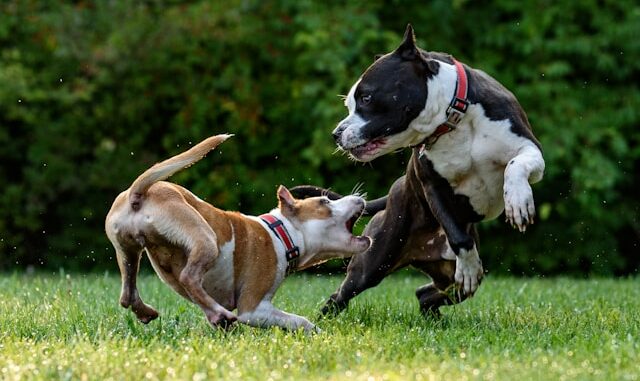
Dog bite incidents can leave lasting injuries, both physical and psychological. In Ontario, victims have legal rights under the Dog Owners’ Liability Act (DOLA), which imposes strict liability on dog owners. However, successfully claiming compensation often involves analyzing past legal decisions to understand how courts evaluate these cases.
Strict Liability Under the Dog Owners’ Liability Act
DOLA makes dog owners legally responsible for any injuries their pet causes, even if the animal had never shown aggressive behavior before. This simplifies the process for victims, as it removes the need to prove negligence. However, liability doesn’t automatically determine how much compensation is awarded—that depends on the specifics of the case and how courts have ruled in similar situations.
Landmark Legal Decisions in Ontario Dog Bite Cases
Understanding previous court rulings can offer insight into how your own claim might be assessed. Here are four important Ontario cases that illustrate how judges interpret the law:
- McIntosh v. Barrett (1992): This case confirmed the application of strict liability. The court found the dog owner liable after their dog bit a woman delivering flyers, even though the owner claimed they didn’t know the dog was dangerous.
- Lane v. Adair (2000): The court ruled in favor of the plaintiff after determining that the dog’s history of prior aggression made the owner negligent for not warning visitors.
- Fillier v. Reid (2007): The court reduced the compensation awarded to the plaintiff, finding that her actions—trying to break up a dog fight—contributed to the incident.
- St. Denis v. Downey (2011): Recognizing the long-term impact of the injuries, the court awarded substantial damages, considering both physical harm and psychological trauma.
How Case Law Informs Your Claim
Each dog bite case is unique, but prior judgments offer useful guidance. A skilled lawyer will:
- Compare Similar Cases: Your legal team will analyze cases that share facts or circumstances with your own to anticipate how a court might view your claim.
- Highlight Differences: If your case has unique elements, your lawyer can argue why your situation deserves a distinct outcome or higher compensation.
- Use Cases for Negotiation: Referencing past decisions helps strengthen your lawyer’s position when negotiating with insurers or opposing counsel.
Building a Strong Compensation Claim
While precedent is important, successful claims rely on solid evidence and preparation. Key elements include:
- Comprehensive Medical Evidence: Detailed medical reports support the seriousness of your injuries and validate your need for treatment.
- Eyewitness Accounts: Testimonies from those who saw the attack can help verify your version of events.
- Expert Assessments: Medical professionals and behavior specialists may be consulted to provide expert insights on your injuries or the dog’s behavior.
- Proof of Emotional Trauma: Documenting the psychological effects of the bite, including therapy records, can strengthen your claim.
- Legal Expertise: A knowledgeable dog bite lawyer can build a compelling case and negotiate aggressively on your behalf.
Legal Support Is Essential While reviewing case law can help you understand your rights, personalized legal advice is crucial. A lawyer familiar with Ontario’s dog bite laws will ensure your case is presented effectively and that you receive the compensation necessary to recover and move forward.