
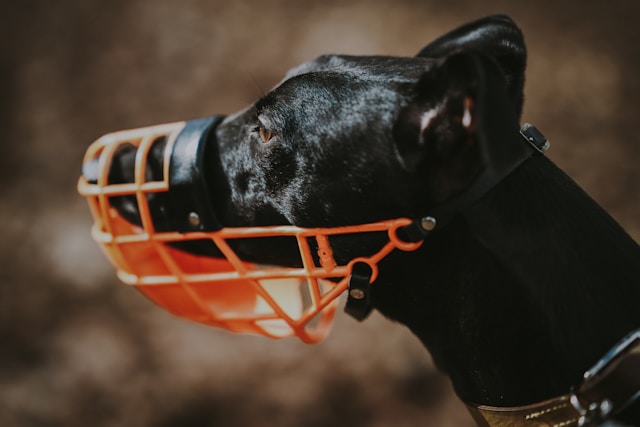
Although many dogs are loving and well-behaved, incidents involving bites or aggression can lead to serious consequences under Ontario law. The Dog Owners’ Liability Act (DOLA) holds owners strictly accountable when their dog causes harm, and in some cases, allows for a dog to be labeled as “dangerous,” triggering added restrictions.
How a Dog Can Be Declared Dangerous in Ontario
There are two primary ways a dog may be officially deemed dangerous:
- Court Proceedings – If a bite victim sues the dog’s owner, the judge may declare the dog dangerous during the trial if it poses a continuing risk.
- Municipal Action – Animal control officers can investigate complaints and request a hearing with a local official who determines whether the dog should be classified as dangerous.
Criteria for a Dangerous Dog Designation
To determine whether a dog poses a threat, authorities consider:
- Extent of Injuries – More severe injuries caused by the dog increase the likelihood of a dangerous designation.
- History of Aggression – If the dog has bitten before, particularly without provocation, this is heavily weighed.
- Professional Assessments – An evaluation by an animal behaviorist or officer may be used to determine the dog’s temperament and risk level.
Key Evidence to Support a Dangerous Dog Claim
For victims seeking to pursue legal action or a dangerous dog classification, certain types of evidence can be critical:
- Medical documentation showing the injuries
- Eyewitness statements confirming the attack
- Official reports from animal control
What Restrictions Apply to a Dangerous Dog?
Once a dog is labeled as dangerous, owners must follow specific regulations, which may include:
- Mandatory Muzzling – The dog must wear a muzzle in all public areas
- Strict Leash Rules – Leashes must be a certain length and held by someone capable of controlling the dog
- Home Confinement – The dog must be securely enclosed on the owner’s property
- Warning Notices – Signs may be required to inform visitors of the dog’s presence
- Liability Insurance – Owners may be obligated to obtain coverage to protect against future incidents
Challenging a Dangerous Dog Classification
Dog owners have the right to appeal if their pet is designated as dangerous. Actions that can strengthen an appeal include:
- Hiring a lawyer with expertise in animal law
- Completing training programs and working with behaviorists
- Presenting evaluations from professionals indicating that the dog no longer poses a risk
Preventing Issues Before They Arise
The most effective way to avoid legal consequences is by practicing responsible dog ownership:
- Start socialization early to improve behavior in various situations
- Train your dog consistently using obedience techniques
- Monitor your dog’s behavior for stress or anxiety
- Always follow leash laws to maintain control in public areas
Ontario’s legal system aims to balance public safety with fair treatment of pet owners. By understanding the laws and responsibilities involved, dog owners can reduce risks and protect both the public and their pets.