
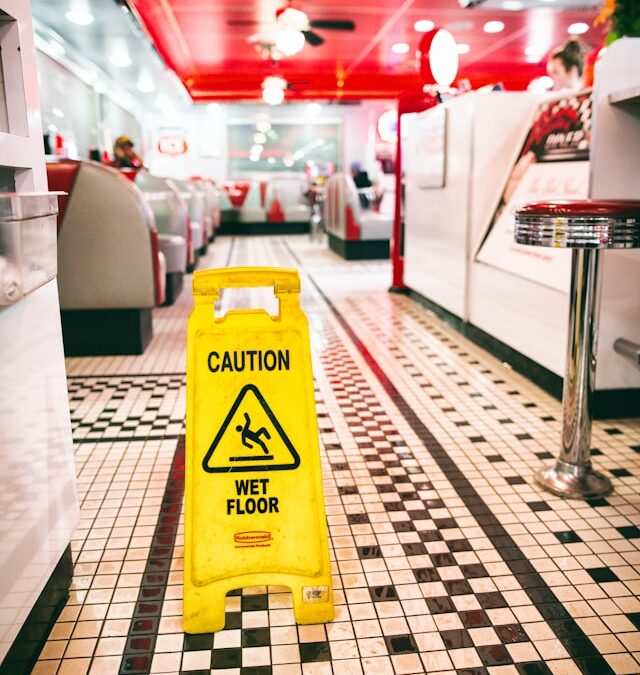
Slip and fall accidents can lead to serious injuries and costly legal claims. Property owners and managers have a responsibility to maintain safe environments for everyone on their premises. Here are practical strategies to reduce the risk of falls and fulfill legal obligations under Ontario law.
1. Conduct Routine Inspections
Regular checks are essential to identify problems before someone gets hurt. Look for cracks, uneven pavement, loose flooring, and other hazards on walkways, stairs, and entryways.
2. Address Maintenance Issues Promptly
Fix any hazards as soon as they are discovered. Timely repairs to flooring, handrails, lighting, or outdoor surfaces can prevent accidents and demonstrate a proactive approach to safety.
3. Use Slip-Resistant Materials
In areas prone to spills or moisture, consider using non-slip flooring treatments or mats. These products improve traction, especially in high-traffic zones like entrances, kitchens, and washrooms.
4. Ensure Proper Lighting
Well-lit areas reduce the likelihood of falls. Check that hallways, stairwells, exterior pathways, and parking lots have adequate lighting to help people see potential hazards.
5. Post Warning Signs
Clearly marked signage is key to alerting people to risks like wet floors, construction zones, or uneven steps. Place signs where they are easy to see and in the language or symbols your guests are likely to understand.
6. Manage Winter Conditions
Ontario winters bring unique risks. Regularly remove snow and ice from sidewalks, driveways, and building entrances. Salting or sanding slippery surfaces can greatly reduce the risk of falls.
7. Train Your Staff
Educate employees on how to recognize risks and respond appropriately. Training should include protocols for cleaning spills, reporting hazards, and assisting injured individuals.
8. Make Accessibility a Priority
Ensure your property is accessible to individuals with mobility challenges. Install ramps, handrails, and clear paths to entrances. Complying with accessibility standards is both a legal and safety requirement.
9. Invest in Liability Insurance
Adequate insurance coverage protects against financial loss if someone is injured on your property. Speak with an insurance professional to evaluate your policy and ensure you’re covered for potential claims.
Conclusion
Preventing slip and fall incidents is a shared responsibility. By taking proactive steps—such as regular inspections, quick repairs, proper signage, and staff training—property owners can significantly reduce the risk of accidents. These actions not only keep visitors safe but also help protect owners from legal liability and uphold a standard of care within the community.