
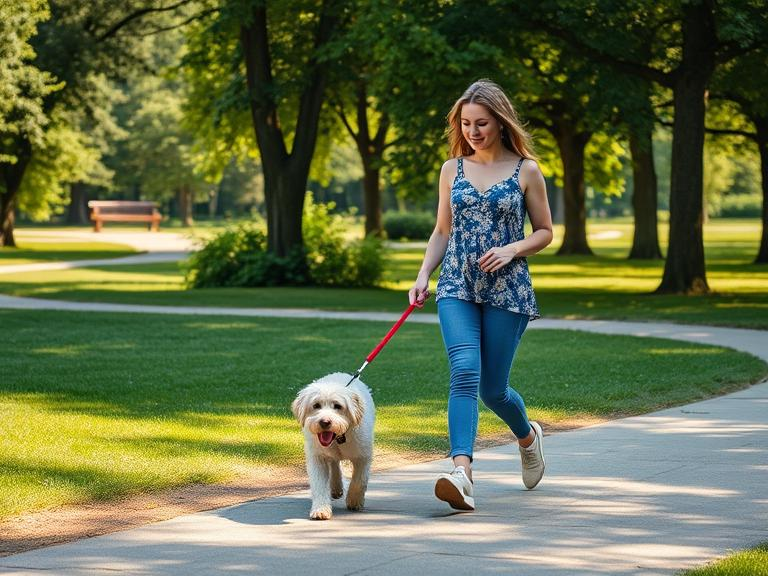
Ontario’s Dog Owners’ Liability Act (DOLA) holds owners strictly responsible for injuries or property damage caused by their dog’s bite or attack. This means you can be held liable even if your dog has never shown aggression before. However, the law also recognizes a few narrow circumstances where a dog owner may have a valid defense.
Strict Liability Explained
Under DOLA, liability does not depend on negligence. Instead, the owner must demonstrate a valid defense to avoid responsibility. Owners can challenge claims by showing either:
- Lack of Ownership or Control: The accused individual was not in control of the dog at the time of the incident (for example, if the dog was stolen or had escaped).
- No Actual Attack Occurred: The dog’s actions did not cause harm—for instance, if it jumped playfully without causing injury.
Recognized Defenses Under the Act
Dog owners can rely on specific exceptions outlined in DOLA:
- Trespassing: If the injured person was unlawfully on private property, the owner may not be held liable. However, the owner must prove that the person was trespassing and not lawfully present (such as a mail carrier or child playing nearby).
- Provocation: If the dog was provoked in a way that would cause a reasonable dog to respond defensively, the owner may have a valid defense. Acts like teasing, hitting, or threatening the dog could qualify as provocation.
- Dog Restrained in a Public Area: If the dog was on a leash and under control in a public place, the owner might raise this limited defense—though it does not apply if the dog was off-leash.
Building a Strong Defense
The success of a defense often depends on credible evidence. Owners should:
- Collect witness statements to confirm what occurred
- Obtain photos or videos from security cameras or bystanders
- Keep training certificates or behavioral assessments showing the dog’s usual temperament
- Gather veterinary records to support the dog’s health and behavior history
The Role of Legal Counsel
A lawyer experienced in DOLA cases can evaluate your situation, identify potential defenses, and represent you in negotiations or court. Legal guidance is vital to ensure your rights are protected and your case is properly presented.
Responsible Ownership: The Best Prevention
While the law allows for certain defenses, preventing an incident is always best. Responsible ownership includes:
- Keeping your dog leashed in public
- Providing obedience training
- Recognizing stress or fear signals
- Socializing your dog early and consistently
If you’re facing legal action under Ontario’s DOLA, understanding your rights and responsibilities is key. With the right approach—and a focus on responsible ownership—you can protect both your dog and your legal standing.