
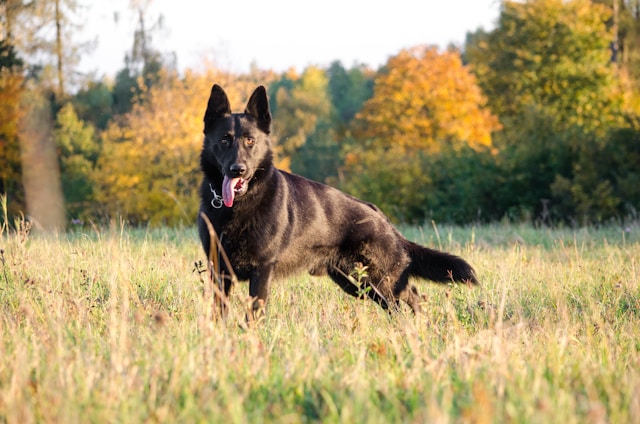
Ontario’s Dog Owners’ Liability Act (DOLA) protects victims of dog attacks, covering more than just bites. Injuries from scratches, knockdowns, and even psychological trauma are recognized under the law. This article explains how the DOLA interprets dog attacks and what victims can do to seek compensation.
Broad Definition of “Attack”
DOLA does not limit liability to bites alone. Courts interpret an “attack” broadly to include any situation where a dog’s actions result in injury, even if the skin is not broken or the dog had no harmful intent.
Scratches and Knockdowns
Even seemingly playful interactions can lead to injury. A dog jumping on a child or adult, causing scrapes or falls, is covered under the DOLA. Serious injuries, including fractures or sprains from knockdowns, may also qualify for compensation.
Focus on Harm, Not Intent
Liability under the DOLA does not depend on the dog’s intent. Whether a dog’s actions were playful, friendly, or accidental, resulting injuries are considered under the Act.
Emotional Distress as a Recognized Injury
The law also recognizes non-physical harm. Fear during an encounter, witnessing an attack, or suffering post-traumatic stress disorder (PTSD) after an incident can be compensable.
Gathering Evidence for Non-Bite Injuries
Successful claims for non-bite injuries require solid documentation:
- Witness statements: Accounts from bystanders who saw the incident.
- Medical records: Proof of injury and treatment.
- Photographic evidence: Images of scratches, bruises, or other visible harm.
Steps for Pursuing a Claim
- Legal consultation: A personal injury lawyer with experience in dog attack cases can navigate DOLA claims.
- Collect evidence: Secure medical records, witness statements, and any other supporting materials.
- File a claim: Your lawyer will guide interactions with the dog owner’s insurer or help initiate legal proceedings.
What May Not Qualify as an Attack
Certain situations fall outside DOLA coverage:
- Minor contact without injury: A brief brush or nudge with no harm.
- Pre-existing injuries: If an existing condition is worsened but not directly caused by the dog.
Responsible Ownership and Public Safety
DOLA emphasizes accountability among dog owners:
- Leashing and control: Keeping dogs under control prevents accidental injuries.
- Training: Proper obedience training reduces the likelihood of unintentional harm.
- Reading dog signals: Recognizing your dog’s body language helps avoid unexpected incidents.
Conclusion
The DOLA protects victims of dog-related injuries beyond bites. By acknowledging scratches, knockdowns, and emotional trauma, the law ensures victims can seek redress while encouraging responsible dog ownership.