
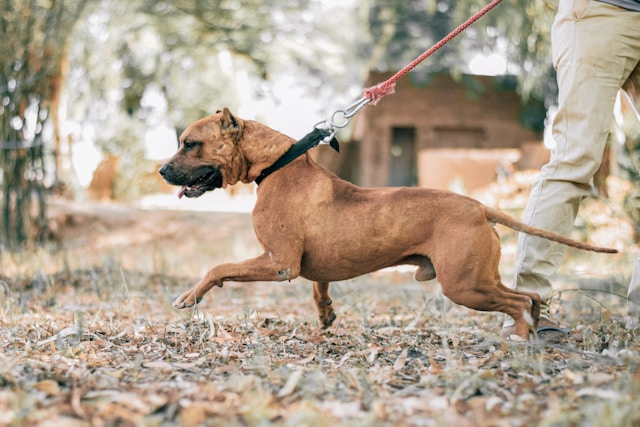
Learning that your dog has been labeled as “dangerous” under Ontario law can be distressing. This designation carries serious consequences, ranging from fines to possible confiscation or, in the most severe cases, euthanasia. Knowing what the law entails and what steps you can take to protect your pet is essential for every owner.
How a Dog Becomes Designated as Dangerous
Under Ontario’s Dog Owners’ Liability Act (DOLA), a dog may be declared dangerous if it has attacked or bitten a person or another animal, or shown threatening behavior suggesting it could cause harm. Once this happens, several legal outcomes may follow.
Legal Consequences and Owner Responsibilities
- Fines and Penalties: Owners may face monetary fines if they fail to comply with restrictions imposed after the designation.
- Restrictions and Conditions: Authorities can require the dog to be muzzled and leashed in public, confined securely on private property, or even prohibited from certain areas.
- Owner Liability: Once a dog is declared dangerous, its owner may bear full legal responsibility for any future injuries or damages the dog causes.
Confiscation of a Dangerous Dog
If a dog poses an ongoing or immediate risk to the public, animal control officers may remove it from the owner’s care. Confiscation typically occurs when:
- The dog has inflicted serious injuries on a person or animal.
- The owner repeatedly ignores or violates restrictions.
- The dog’s behavior is deemed unmanageable or too dangerous for the community.
The dog may be placed in a secure facility while authorities determine whether it can be safely returned to its owner.
Euthanasia as a Last Resort
In rare and extreme cases, euthanasia may be ordered if the dog’s aggression is uncontrollable and no other solution ensures public safety. This step is taken only after a thorough review by animal control officials or the courts, considering the dog’s behavior, history, and rehabilitation potential.
Euthanasia is generally considered only when:
- A person or animal has been severely or fatally injured.
- The dog’s aggression is unpredictable and poses a constant danger.
- Other management measures have failed or are deemed insufficient.
Appealing a Dangerous Dog Designation
Dog owners have the right to challenge a dangerous dog designation or the penalties imposed. An appeal allows the owner to present evidence and arguments showing that the determination was inaccurate or unfair.
You may consider appealing if:
- The facts about the incident were misinterpreted.
- The restrictions are excessive or unreasonable.
- There is credible evidence of the dog’s rehabilitation or good behavior.
Moving Forward
Facing a dangerous dog designation is a serious matter, but understanding your rights and responsibilities is the first step toward resolution. Compliance with restrictions, professional training, and seeking legal advice can all help protect both your pet and the public. Through responsible ownership and cooperation with authorities, many dogs successfully transition back into safe and manageable companions.