
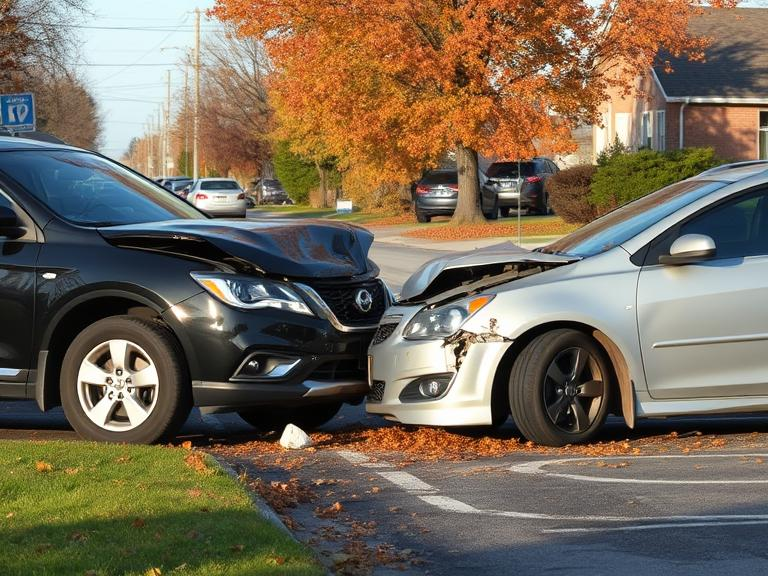
Dealing with the aftermath of a car accident can be overwhelming, especially when insurance claims and questions of responsibility come into play. In Ontario, a standardized system known as the Fault Determination Rules provides a consistent way for insurance companies to assess which driver is at fault. Understanding this framework can help drivers better navigate the claims process and ensure fair treatment.
How Fault Is Assessed in Ontario
The Fault Determination Rules, which fall under Regulation 668 of Ontario’s Insurance Act, give insurers a set of guidelines to decide fault after a collision. These rules serve to create consistency across different situations, reduce confusion and disagreements, and streamline how claims are resolved.
Importantly, this system does not consider external factors such as weather conditions or visibility. Instead, the focus is strictly on how the drivers behaved leading up to the collision.
The Basis of Fault Percentages
In each case, fault is assigned in increments—usually 0, 25, 50, 75, or 100 percent. These percentages represent each driver’s share of responsibility for the crash. The assessment is not based on the extent of the vehicle damage or its location, but rather on the sequence of events that led to the incident.
Real-World Examples of Fault Allocation
Ontario’s insurance rules outline many common scenarios to guide how fault should be determined.
For instance, in a rear-end collision, the driver who strikes another vehicle from behind is typically found fully at fault, as maintaining a safe distance is a basic driving responsibility.
In left-turn accidents, the driver making the turn usually bears a greater share of fault, particularly if the other vehicle was traveling straight through the intersection.
In cases where a driver ignores a traffic signal or stop sign, that driver is often held primarily or entirely responsible for the collision.
For multi-vehicle accidents, the actions of each person involved are considered individually to determine their respective contributions to the crash.
When the Rules Aren’t a Perfect Fit
Not every accident fits neatly into one of the outlined scenarios. In situations where the Fault Determination Rules do not provide a direct answer, insurers may rely on additional evidence to help clarify what happened.
Eyewitness reports, police findings, and footage from dashboard cameras can all provide helpful context. These sources allow a more complete picture to emerge and may influence how fault is ultimately assigned.
Steps to Take Following an Accident
While knowledge of the Fault Determination Rules is useful, there are essential steps every driver should take immediately after a collision. Begin by checking for injuries and calling emergency services if needed. Next, exchange contact and insurance details with the other parties involved. If the situation allows, take photographs of the vehicles, the road conditions, and any relevant signage or signals.
If the accident results in injuries or significant damage, you are legally required to report it to the police. It is also important to notify your insurance provider as soon as possible.
Why Understanding the Rules Matters
Being familiar with how fault is determined can help you feel more confident when dealing with insurance companies. Although the rules provide structure, other evidence and legal advice may also be relevant in unique or complex cases. If you have questions about your specific situation, speaking with a legal or insurance expert is highly recommended.