
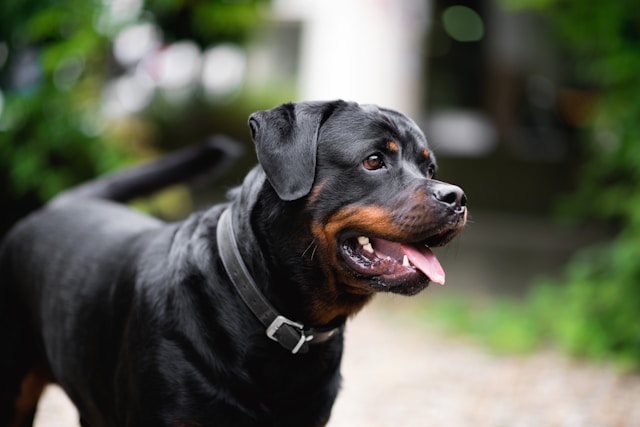
Dog attacks can have serious physical and emotional consequences, and determining who is liable for such incidents in Ontario can be complex. In many cases, the dog’s owner is held responsible, but other individuals or entities involved in the dog’s care or control may also share liability. This article unpacks the intricacies of responsibility in dog attacks, outlining the legal framework and potential consequences for all parties involved.
The Dog Owners’ Liability Act (DOLA): Understanding Legal Responsibility
Under Ontario’s Dog Owners’ Liability Act (DOLA), the owner of a dog is strictly liable for any injuries or damages caused by their dog, regardless of whether the owner was negligent or at fault. This law places a significant burden on owners to ensure their pets do not pose a danger to others, requiring proper training, supervision, and containment.
However, identifying the “owner” of a dog may not always be straightforward. For instance, in cases where multiple individuals share responsibility for the dog, such as co-owners or temporary caregivers like dog walkers, each person may be held accountable under DOLA.
Shared Liability: Co-owners, Caregivers, and Dog Walkers
In instances where a dog has more than one owner, each co-owner can be held jointly liable for any damage caused. This is especially relevant in cases where the dog’s actions were the result of shared negligence.
Temporary caregivers, including dog walkers or pet sitters, are also responsible for the dog’s behavior while under their supervision. Though the primary responsibility remains with the owner, failure to properly control the dog could make caregivers liable for any harm the dog causes.
Vicarious Liability: Holding Dog Owners Accountable
Vicarious liability is a key legal principle that may apply in situations where a third party acts on behalf of the dog’s owner. This means that if a dog walker or temporary caregiver is negligent, the dog’s owner may still be held responsible for the incident.
Municipal and Property Owner Liability
In some cases, liability may extend beyond the dog’s owner to the municipality or property owner where the attack took place. Municipalities have an obligation to enforce leash laws, and property owners must take steps to prevent dangerous dogs from roaming free. If they fail in these duties, they may be held partially responsible for the attack.
Proving Liability in Dog Attack Cases
To determine liability, a detailed investigation into the circumstances surrounding the attack is necessary. Key factors include the dog’s behavior history, the actions of the owner and any caregivers, and relevant municipal laws. Gathering evidence such as witness statements and medical records can support claims and ensure victims receive appropriate compensation.
In conclusion, liability for dog attacks in Ontario can extend beyond just the owner, encompassing other involved parties such as co-owners, caregivers, and municipalities. Understanding these legal nuances can help victims navigate the complex process of seeking justice and compensation for their injuries.