
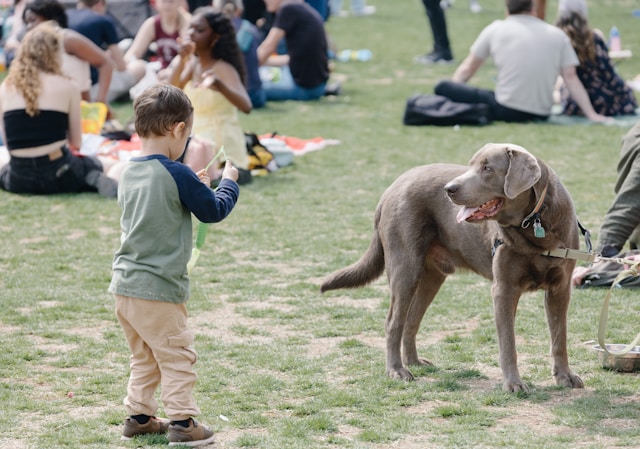
Understanding Liability When a Child is Injured
Dog bite incidents involving children bring about unique legal concerns in Ontario. While dog owners are generally held strictly responsible for injuries their animals cause, there are exceptions and nuances, particularly when children are involved. The Dog Owners’ Liability Act (DOLA) outlines these rules, but courts also consider a child’s age, behavior, and ability to understand their actions when evaluating defenses.
The Impact of Strict Liability
Under DOLA, a dog’s owner is automatically liable for injuries caused by a bite or attack, regardless of the animal’s breed or past conduct. However, the owner may have a defense if they can prove they were not the person controlling the dog at the time or that the incident did not meet the legal definition of an “attack.” These defenses are limited, especially when the injured party is a child.
Trespassing and Provocation: A Different Standard for Children
Two common defenses—trespassing and provocation—are evaluated differently in cases involving minors. While trespassing normally applies if a person is injured while unlawfully on private property, courts often hesitate to apply this rule strictly to children. Young children may be seen as having implied permission to be in areas like yards or driveways, especially in residential neighborhoods.
Furthermore, if a dog owner knows that children often play in or near their property and doesn’t take steps to secure the dog, the legal responsibility may increase. When it comes to provocation, courts assess the child’s intent and maturity. Actions that might provoke a dog—such as tail-pulling—can be interpreted as innocent behavior when done by a young child, weakening this defense.
Assessing Provocation Through the Lens of a Child’s Behavior
The law looks at provocation through the standard of a “reasonable dog.” If a child’s behavior would not reasonably provoke an average dog, then the defense may not hold up in court. For example, if a child unintentionally frightens or startles the dog, courts are less likely to accept this as valid provocation, particularly if the child is too young to understand the consequences.
Gathering the Right Evidence in Child-Related Cases
When preparing a defense, especially in incidents involving children, evidence plays a vital role. Eyewitness accounts can help establish what actually happened, especially in determining whether the dog was provoked. Video surveillance may also capture valuable details about the encounter. Expert testimony from animal behaviorists can explain whether the dog’s response was appropriate based on breed, training, and the child’s actions.
Legal Representation: Why Experience Matters
These cases often involve emotional complexities and long-term impacts. An experienced lawyer can identify whether any shared liability exists with the child’s guardians and ensure that future medical needs and other long-term effects are factored into any compensation. Legal professionals are also key in handling sensitive negotiations and advocating for your rights throughout the legal process.
Responsible Ownership as the First Line of Defense
Legal strategies aside, proactive dog ownership is the best way to prevent these incidents. Owners should always supervise their dogs around children, ensure proper training and socialization, and keep their property secure. Understanding how dogs communicate discomfort or stress can help prevent an incident before it occurs.
Conclusion
While the law places significant responsibility on dog owners, cases involving children demand careful analysis and appropriate defense strategies. Knowing how the law interprets child behavior, collecting clear evidence, and working with an experienced lawyer are essential steps in managing such claims effectively.