
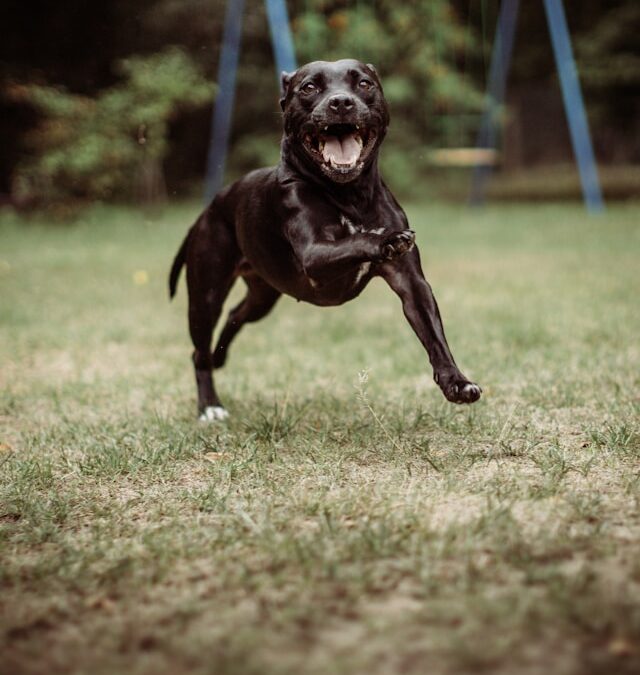
In Ontario, dog owners are strictly liable for injuries caused by their pets under the Dog Owners’ Liability Act (DOLA). This means that, regardless of whether the dog has a history of aggression or whether the owner was negligent, they are financially responsible for any harm caused by the animal. However, seeking compensation for a dog bite injury involves understanding how to navigate the claims process effectively.
Immediate Steps After a Dog Attack
- Seek Medical Attention: Your health comes first. Make sure to visit a hospital or urgent care center for immediate treatment and proper documentation of your injuries. This medical report will serve as crucial evidence in your claim.
- Gather Evidence: If possible, take photos of your injuries and any damaged property. Also, document the scene where the attack occurred.
- Report the Incident: Inform Animal Control of the attack. Their investigation report will provide valuable evidence for your case.
Building a Strong Dog Bite Claim
To have a successful dog bite claim, you need to prove the following:
- Ownership: The dog was owned or under the care and control of the defendant when the incident occurred.
- Attack: There must have been an aggressive act by the dog, including a bite or other harmful behavior.
- Injury: You must have sustained physical harm as a result of the attack.
- Damages: You should demonstrate financial losses such as medical bills, lost wages, or damage to property due to the bite.
Consulting a Lawyer
Though DOLA provides protections for victims, the legal process for filing a dog bite claim can be challenging. A lawyer with experience in dog bite cases can assess your situation and represent your interests. They will:
- Evaluate Your Case: Review medical records, witness testimonies, and other evidence.
- Negotiate a Settlement: Dog bite claims are often resolved outside of court. Your lawyer will negotiate with the dog owner’s insurance company to secure compensation.
- Court Representation: If settlement talks fail, your lawyer will represent you in court to present your case.
Strengthening Your Case with Evidence
Strong evidence is key to enhancing your claim. This may include:
- Medical Records: Detailing your injuries, treatment, and associated costs.
- Witness Statements: If anyone saw the attack, their statements will support your case.
- Expert Testimony: In some cases, expert opinions—such as from a medical professional or animal behaviorist—can help bolster your claim.
Damage Calculation
In a dog bite case, you can claim compensation for various types of damages:
- Medical Expenses: Costs for past and future treatment, surgeries, and rehabilitation.
- Lost Wages: Compensation for any wages you lost due to the injuries or reduced earning capacity.
- Pain and Suffering: Compensation for the physical and emotional distress you endured.
- Scarring or Disfigurement: If the attack left permanent scars, you may be entitled to compensation for the emotional and practical impact.
- Property Damage: If your clothing or other property was damaged, you could recover the costs of repair or replacement.
The Importance of Settling
Many dog bite cases are settled out of court. Settling offers several advantages:
- Faster Resolution: Settlements are usually quicker than waiting for a court verdict.
- Lower Costs: Court proceedings can be expensive; settlements reduce legal fees and court costs.
- Certainty: A settlement guarantees compensation, while court decisions are uncertain.
Conclusion
A dog bite injury in Ontario can have both physical and emotional consequences. Understanding how to navigate the claims process under the Dog Owners’ Liability Act is essential for securing compensation. By gathering strong evidence, seeking legal advice, and pursuing a fair settlement, you can ensure that your rights are protected and that you receive the compensation you deserve.