
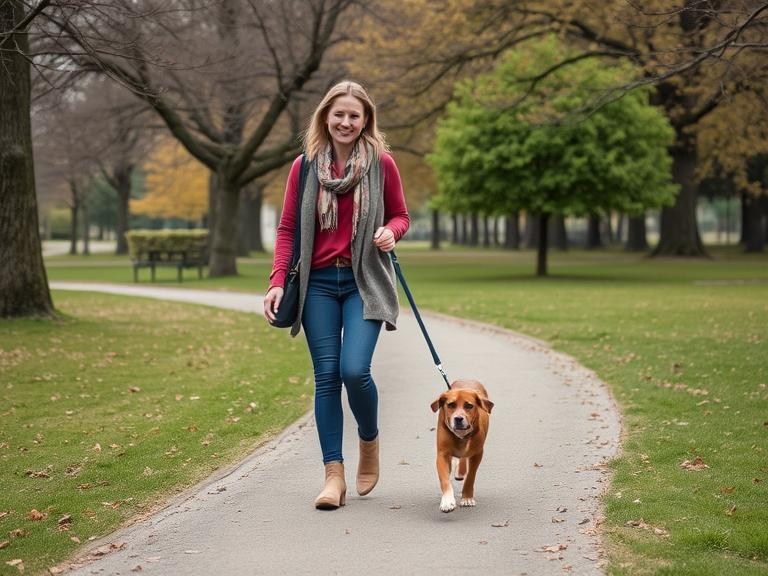
Dogs offer loyalty, love, and companionship—but they also come with significant responsibilities. As a dog owner, understanding both your legal obligations and the steps you can take to prevent aggressive behavior is essential. This article explores how responsible ownership and compliance with local laws can drastically reduce the risk of dog attacks.
Your Legal Obligations as a Dog Owner
Every jurisdiction enforces different rules, but dog owners across Canada (and many other countries) generally share the same key responsibilities:
- Registration and Licensing: Most municipalities require pet owners to officially license their dogs. This measure helps identify lost animals and hold owners accountable when necessary.
- Leash Requirements: Leash laws are common in public spaces. These rules aim to keep dogs under control and prevent sudden confrontations with other animals or people.
- Breed Restrictions: Some regions enforce Breed-Specific Legislation (BSL) that bans or restricts ownership of certain dog breeds considered high-risk. If you own one of these breeds, you must understand and follow all specific guidelines to avoid legal consequences.
- Liability for Harm: Owners are generally liable for damages caused by their dogs, including both personal injury and property damage. Without proper insurance, this liability could become financially devastating if legal action is taken.
Proactive Steps for Safer Ownership
While following the law is crucial, preventing dog attacks also involves good habits and active oversight. Here are some best practices for dog owners:
- Early Socialization and Training: The sooner you expose your dog to a range of people, pets, and situations, the better. Proper training and socialization from a young age reduce fear-based aggression and help dogs develop calm, predictable behavior.
- Supervise Interactions: Never leave dogs alone with children or unfamiliar animals. No matter how well-trained your dog is, surprises can provoke unexpected responses.
- Secure Your Property: A well-maintained fence or secure containment area ensures your dog can’t escape and potentially harm others. In public, always use a leash or carrier, even if your dog is obedient off-leash.
- Know the Signs of Aggression: Behaviors like growling, intense staring, raised hackles, or a stiff posture are often precursors to aggression. Recognizing these early signs lets you intervene before things escalate.
- Mental and Physical Stimulation: Dogs that are bored or under-stimulated are more likely to become anxious or act out. Make sure your pet gets daily walks, playtime, and problem-solving activities to stay healthy and happy.
Conclusion
Being a responsible dog owner means more than just loving your pet—it involves active engagement, legal awareness, and preventative care. By fulfilling your legal responsibilities and following proven best practices, you can help keep your community safe while providing your dog with the structure and security it needs. The safety of others and the reputation of dog owners everywhere depend on how responsibly we raise and manage our pets.