
Experiencing a car accident can be overwhelming, affecting both your body and mind. While emergency medical care addresses immediate injuries, rehabilitation is essential for restoring strength, mobility, and independence. In Ontario, the Accident Benefits system provides financial support for these services through Medical and Rehabilitation Benefits. This guide outlines the types of rehabilitation covered, who qualifies, and how to navigate the claims process effectively.
Understanding Medical and Rehabilitation Coverage
Medical and Rehabilitation Benefits are funds provided by your insurance to cover treatments aimed at improving physical and cognitive function following a car accident. The goal is to help you regain the ability to carry out daily tasks and return to your usual lifestyle, including work, as safely and quickly as possible.
Services Covered Under Rehabilitation Benefits
Ontario’s Accident Benefits can cover a variety of therapies and support services, including:
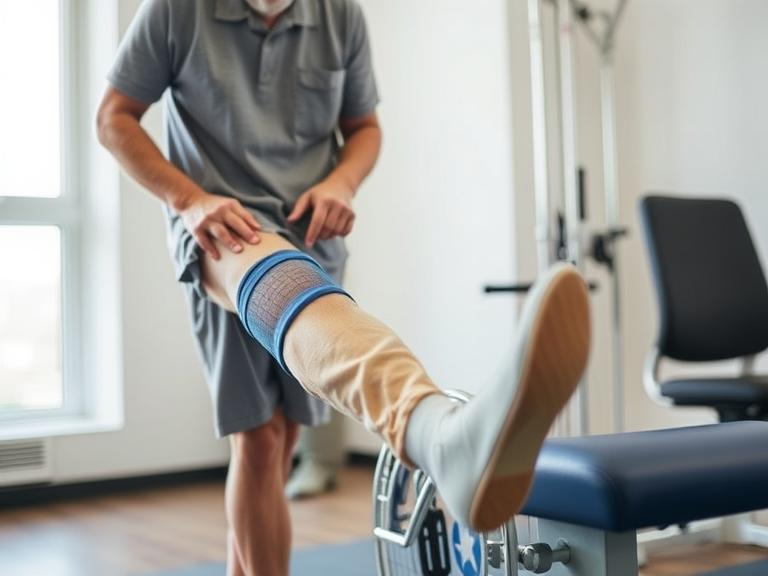
- Physiotherapy: Focused on rebuilding strength, flexibility, and range of motion after injuries to muscles, joints, or bones.
- Occupational Therapy: Helps patients relearn essential daily activities such as dressing, bathing, and cooking to restore independence.
- Speech-Language Therapy: Assists individuals in improving communication, swallowing, and cognitive skills affected by injury.
- Cognitive Rehabilitation: Targets memory, attention, and problem-solving deficits that may result from head injuries.
- Assistive Device Training: Covers instruction for using wheelchairs, braces, prosthetics, or other devices safely and effectively.
- Psychological Counselling: Offers support to manage anxiety, depression, or trauma caused by the accident.
Eligibility Criteria for Benefits
To access Medical and Rehabilitation Benefits, you must meet specific requirements:
- Medical Diagnosis: A licensed doctor must confirm a physical or cognitive impairment caused by the accident.
- Rehabilitation Requirement: A healthcare professional must recommend a treatment program tailored to your limitations.
- Documented Progress: Demonstrable improvement in functionality through ongoing rehabilitation is required.
Tips for Maximizing Your Claim
- Prompt Medical Evaluation: Early diagnosis and treatment increase recovery speed and streamline claims.
- Collaborative Doctor Communication: Ensure your physician provides thorough documentation of injuries, functional limitations, and treatment plans.
- Choose Skilled Therapists: Experienced professionals improve the quality of your rehabilitation reports, supporting your claim.
- Keep Records: Save receipts for therapy sessions, medical devices, and related expenses.
Key Considerations
- Coverage Limits: For non-catastrophic injuries, combined medical, rehabilitation, and attendant care benefits are capped at $65,000 over five years. Catastrophic injury coverage can reach $1 million for life. Optional insurance can increase these limits.
- Pre-existing Conditions: Insurance may only cover rehabilitation for accident-related aggravations of pre-existing conditions.
- Dispute Rights: Denied or insufficient claims can be challenged through an independent dispute resolution process.
Conclusion
Medical and Rehabilitation Benefits in Ontario are essential resources to restore your physical abilities and independence after a car accident. Understanding your coverage, eligibility, and claim management strategies helps ensure access to necessary treatments and support during recovery. Consultation with healthcare professionals and legal experts can further safeguard your rights and recovery process.