
Property owners and occupiers in Ontario share responsibility for keeping their premises safe. Slip and fall accidents are common but avoidable, and it’s essential to take proactive steps to minimize risks. This guide outlines key strategies for preventing such accidents on your property.
Regular Inspections
Property inspections are crucial for identifying hazards. Make sure to check for uneven walkways, slippery floors, inadequate lighting, and any other issues that could lead to accidents. Implement a regular inspection schedule and document any maintenance or repairs made.
Immediate Repairs
If you notice any defects or hazards, such as cracked sidewalks or loose handrails, fix them right away. Taking swift action demonstrates your commitment to safety and helps prevent accidents before they happen.
Slip-Resistant Materials
Using slip-resistant materials for flooring, walkways, and stairs can significantly reduce the risk of falls. Consider adding non-slip mats, applying textured coatings, or installing anti-slip surfaces, particularly in areas prone to wet conditions.
Proper Lighting
Good lighting is essential for safety. Ensure that all indoor and outdoor areas are well-lit so visitors can spot potential hazards. Pay special attention to areas such as stairways, parking lots, and hallways.
Signage and Warnings
Place clear warning signs in areas that may pose risks, such as wet floors or steps. Barriers and caution tape should also be used to indicate areas under maintenance or repair, keeping people away from danger zones.
Snow and Ice Management
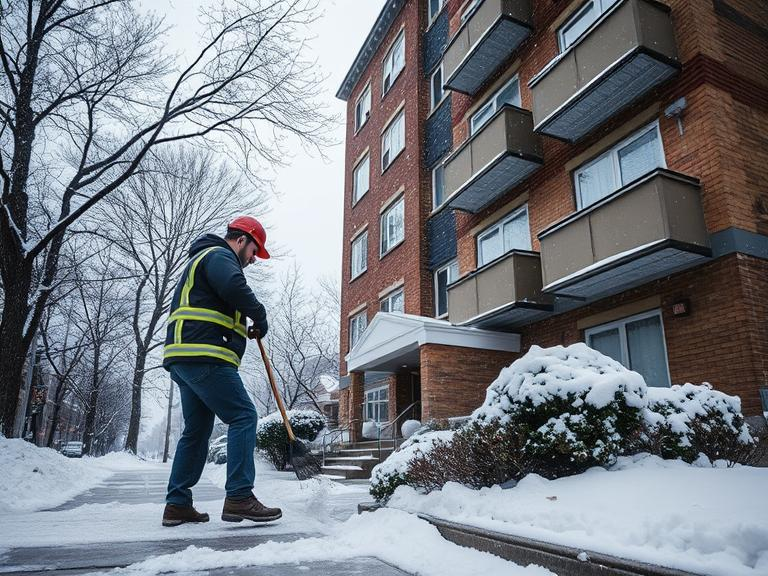
In winter months, ensure you have a plan in place for clearing snow and ice from walkways, parking areas, and entrances. Using salt, sand, or de-icing agents can help reduce slipping hazards and provide traction on icy surfaces.
Accessibility
Ensure your property is accessible to individuals with disabilities. This may include adding ramps, handrails, or wheelchair-friendly pathways to meet the requirements of accessibility regulations.
Employee Training
If you have employees, make sure they are trained in safety protocols and emergency procedures. Regularly reinforce the importance of hazard identification and quick action in maintaining a safe environment.
Community Collaboration
Engage with the local community, tenants, and visitors to raise awareness of potential hazards. Encourage them to report any concerns or issues they observe to help prevent accidents.
Continuous Safety Improvement
Safety should always be evolving. Regularly assess and update your safety policies based on feedback, incidents, and new safety standards to reduce future risks. By following these simple steps, property owners can reduce the likelihood of accidents, maintain a safe environment, and ensure the well-being of all who visit their premises.