
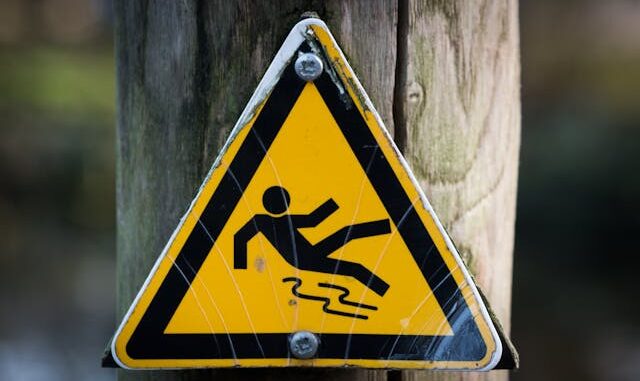
Ensuring the safety of visitors, employees, and tenants is a critical responsibility for property owners and occupiers. Slip and fall accidents are a common concern and can lead to significant injuries and legal consequences. Taking proactive measures to minimize these risks is essential for creating a secure environment. Here are some key strategies that property owners and occupiers can implement to reduce the likelihood of slip and fall accidents on their premises.
Regular Inspections: Identifying Hazards Before They Become Problems
One of the most effective ways to prevent accidents is through consistent property inspections. By regularly reviewing the premises for potential hazards—such as uneven surfaces, poorly maintained walkways, or inadequate lighting—owners can address issues before they lead to accidents. Establishing a regular inspection schedule, along with documenting any corrective actions taken, helps ensure that safety standards are always met.
Swift Maintenance and Repairs: Addressing Hazards Promptly
Any identified hazards should be addressed immediately to prevent accidents. Cracked sidewalks, damaged handrails, or uneven flooring are all common dangers that need prompt attention. Regular maintenance and timely repairs not only reduce the risk of slip and fall incidents but also demonstrate a property owner’s commitment to maintaining a safe environment. Keeping a record of all maintenance activities ensures transparency and accountability.
Using Slip-Resistant Materials: Enhancing Traction on Risky Surfaces
Floors, stairs, and walkways are often the most susceptible to slip and fall accidents, especially in high-traffic or wet areas. To reduce these risks, property owners should invest in slip-resistant materials and treatments. Non-slip coatings, textured surfaces, and slip-resistant mats can make a significant difference in preventing accidents. These materials are particularly valuable in areas that are frequently exposed to moisture, such as entrances or bathrooms, where the risk of slipping is heightened.
Adequate Lighting: Ensuring Visibility for Safe Navigation
Poor lighting is a common cause of accidents, especially in areas such as stairwells, hallways, or parking lots. To minimize this risk, property owners must ensure that all areas of their property are well-lit, both indoors and outdoors. Proper lighting allows individuals to identify potential hazards and navigate their environment safely, particularly in dimly lit areas. Installing motion-sensor lights in darker sections of the property can also be a helpful safety feature.
Clear Signage: Alerting Visitors to Potential Hazards
A simple yet highly effective way to protect visitors and tenants is through clear and visible signage. Warning signs can inform individuals of hazards such as wet floors, uneven surfaces, or steps that might be difficult to see. Property owners should ensure that these signs are easily visible and properly placed, especially in areas under repair or maintenance. Temporary barricades or caution tape can also help divert traffic away from hazardous zones.
Snow and Ice Removal: Keeping Walkways Safe in Cold Weather
In colder climates, snow and ice accumulation are major contributors to slip and fall accidents. Property owners should implement a thorough snow and ice removal plan, especially for high-traffic areas like parking lots, sidewalks, and building entrances. Using salt, sand, or other de-icing agents can help prevent ice from forming and improve traction on surfaces. It’s important to stay ahead of the weather, keeping walkways clear and safe for pedestrians.
Accessibility Considerations: Accommodating All Visitors
Ensuring that your property is accessible to individuals with disabilities is not only a legal requirement but also an important safety measure. Installing ramps, handrails, and accessible pathways in accordance with accessibility regulations can help prevent accidents for individuals with mobility challenges. Property owners should regularly assess the needs of all visitors and make necessary adjustments to ensure safe access to all areas of the premises.
Employee Training: Empowering Staff to Maintain Safety
Employees play a critical role in maintaining a safe environment, which is why ongoing training is essential. Staff should be trained in safety protocols, hazard identification, and emergency procedures. They need to know how to spot potential hazards and what actions to take in the event of an accident. Regular refresher courses can reinforce safety practices and ensure that employees remain vigilant about maintaining a safe property.
Fostering a Culture of Safety: Engaging the Community
Creating a culture of safety extends beyond the property owner or occupier. It’s important to engage tenants, employees, and visitors in the effort to reduce accidents. Encouraging individuals to report safety hazards and providing them with a clear way to do so can help identify issues that might otherwise be overlooked. A collaborative approach to safety helps create shared responsibility and makes everyone more aware of potential risks.
Ongoing Safety Reviews: Continuously Improving Standards
Safety isn’t a one-time effort; it requires continuous review and improvement. Property owners should regularly assess and update their safety policies, procedures, and practices. Feedback from tenants, incident reports, and changes in environmental conditions should all be considered when revising safety protocols. By staying proactive and making necessary adjustments, owners can maintain high safety standards and prevent future accidents.
Conclusion: Prioritizing Safety for a Secure Environment
By taking these steps, property owners and occupiers can create a safer environment that minimizes the risk of slip and fall accidents. Regular inspections, prompt maintenance, slip-resistant surfaces, and clear signage are just some of the many ways to reduce hazards. Ensuring adequate lighting, fostering accessibility, training employees, and engaging the community are all essential to maintaining a culture of safety. With ongoing vigilance and a commitment to continuous improvement, property owners can significantly lower the chances of accidents and create a safe space for everyone who visits or works on the premises.