
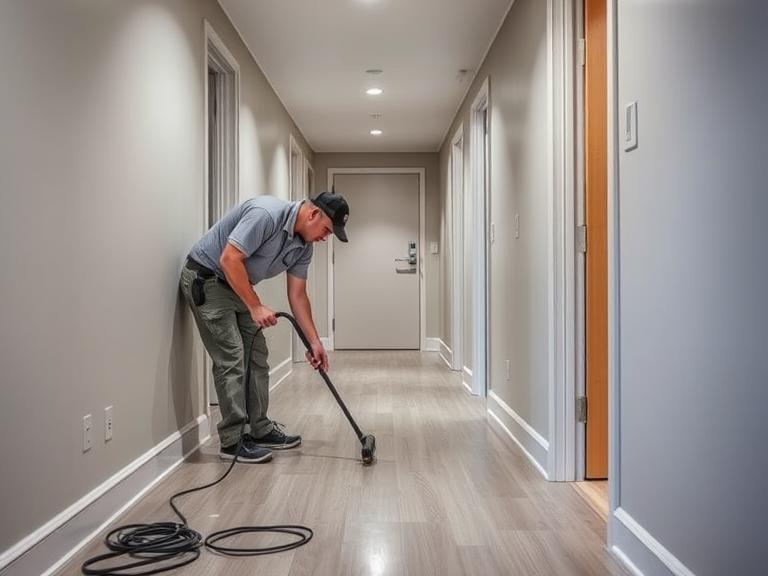
Slip and fall accidents can have serious consequences, and property owners have a legal obligation to keep their premises safe for visitors. By taking preventive measures, property owners can reduce the risk of these accidents. Below are some key steps to ensure safety on your property.
Conduct Regular Inspections
Routine inspections are vital to identify and address any potential hazards that could lead to slips or falls. Check for uneven walkways, broken handrails, or insufficient lighting, and ensure that repairs are made promptly. Keep a record of inspections and maintenance actions to demonstrate your commitment to safety.
Timely Maintenance and Repairs
Proactively fixing hazards such as cracked sidewalks or slippery floors helps reduce accident risks. Regularly maintaining your property can also provide a defense in case of a legal claim, as it demonstrates that you took the necessary precautions to prevent accidents.
Install Slip-Resistant Surfaces
Using slip-resistant materials for floors, walkways, and stairs can significantly lower the chances of falls. Anti-slip coatings, textured surfaces, and rubber mats can be especially beneficial in areas prone to wet conditions.
Ensure Adequate Lighting
Proper lighting, both indoors and outdoors, is crucial to help visitors avoid potential hazards. Make sure all walkways, stairwells, and parking areas are well-lit, particularly in dimly lit spots, to minimize the risk of trips and falls.
Place Clear Warning Signs
Clear, visible signage is essential to alert visitors of potential hazards, such as wet floors or uneven surfaces. Use caution signs, barriers, or cones to mark off areas under repair, ensuring people are aware of potential risks and can take alternate routes.
Snow and Ice Management
In colder climates, snow and ice can pose significant risks to visitors. Implement a snow removal plan to keep paths, driveways, and entrances clear. Use salt, sand, or de-icing products to prevent slippery conditions during the winter months.
Accessibility for All
Make sure your property is accessible to everyone, including individuals with disabilities. Install ramps, handrails, and accessible pathways to comply with accessibility regulations and ensure a safe environment for all visitors.
Train Employees on Safety
It’s essential that employees are trained on identifying hazards, following safety protocols, and responding to emergencies. Regular training ensures that staff are always prepared to handle any safety issues and maintain a secure environment for visitors.
Engage with the Community
Building a culture of safety involves engaging with the local community, tenants, or other visitors to encourage reporting any safety concerns. By fostering collaboration, you can address hazards more quickly and maintain a safe environment for everyone.
Review and Improve Safety Policies
Continuously assess and improve your safety protocols. Regularly update your safety policies based on feedback and incident reports to ensure that your property remains as safe as possible.
Conclusion
Preventing slip and fall accidents requires consistent effort and attention to detail from property owners and occupiers. Regular inspections, timely maintenance, and effective safety measures can significantly reduce risks and create a safer environment for everyone. Prioritizing safety will not only protect visitors but also help property owners avoid potential legal issues.