
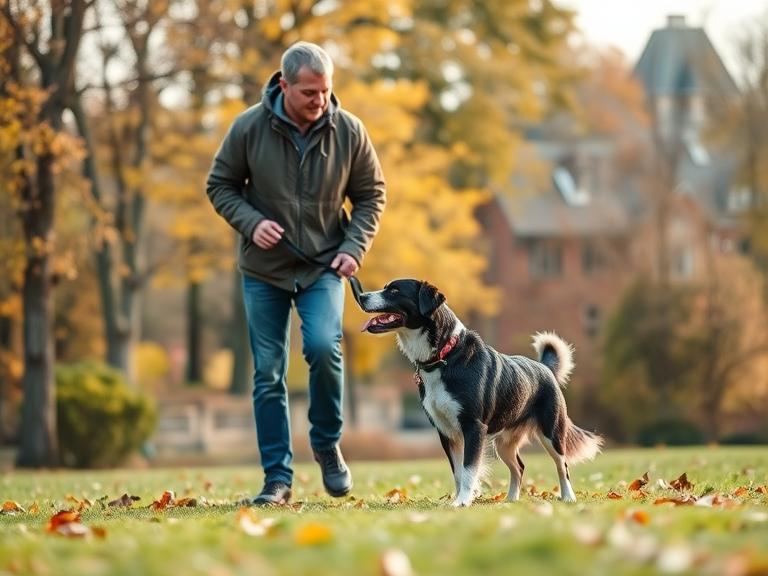
While most dogs are loyal companions, some pets may display behavior that is difficult to manage or control. When a dog becomes aggressive or unmanageable, it can present serious risks—not just to others, but also to the dog and its owner.
Recognizing the Dangers of Uncontrolled Canine Behavior
Uncontrolled dogs can create dangerous and even tragic situations. Here are some of the potential consequences owners should be aware of:
- Injury to People or Animals: Aggressive behavior such as biting or lunging can result in serious harm.
- Legal Accountability: Ontario law holds dog owners responsible for preventing harm. Failure to do so can result in fines, lawsuits, or even criminal charges in severe cases.
- Community Backlash: An uncontrolled dog may lead to complaints or disputes with neighbors, potentially damaging relationships in the community.
- Risk of Euthanasia: If a dog is deemed a threat to public safety and cannot be rehabilitated, it may be ordered to be put down—a heartbreaking but sometimes unavoidable outcome.
Preventive Measures for Owners
Taking early, proactive steps can prevent dogs from developing or escalating dangerous behavior. Here’s how owners can reduce the risks:
- Start with Training and Socialization
Enroll in obedience training early and regularly expose your dog to a variety of situations to build confidence and control. - Use Positive Reinforcement
Reward-based training encourages good behavior and strengthens trust between the dog and owner. - Meet Physical and Mental Needs
Daily walks, play sessions, and problem-solving toys help prevent boredom and frustration that can lead to aggression or destruction. - Manage High-Risk Situations
If a dog shows signs of aggression or fear, use tools such as leashes, muzzles, or head collars to maintain control in public. - Consult a Professional
If behavioral issues persist, work with a certified trainer or animal behaviorist who can provide tailored strategies.
The Owner’s Duty
In Ontario, being a dog owner isn’t just a privilege—it comes with legal and moral responsibilities. Ensuring your pet does not pose a risk to others is part of responsible ownership.
Conclusion
Controlling a dog’s behavior is essential for the safety of the animal, the owner, and the wider community. Through training, management, and professional support, even challenging behaviors can often be corrected. Dog owners must stay committed to their pet’s well-being and take necessary steps to prevent incidents before they happen.