
Introduction
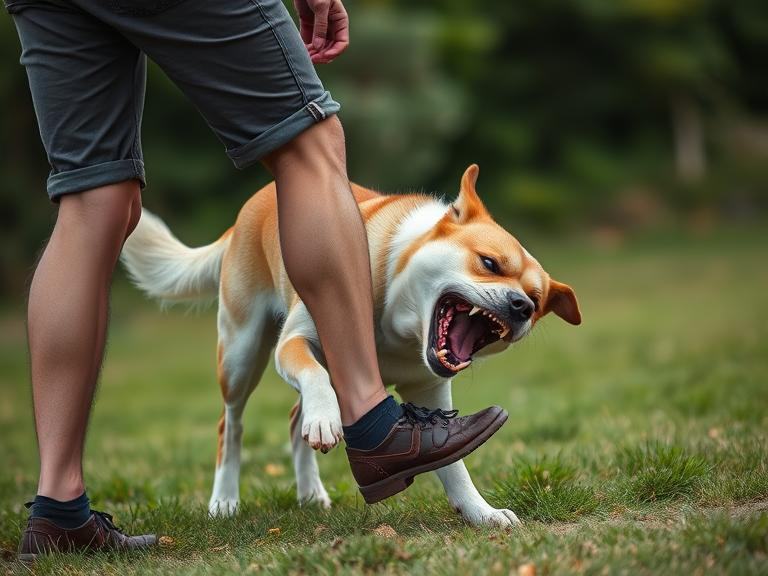
While our dogs bring joy and companionship, they can sometimes exhibit uncontrollable behavior that poses risks to their owners, other people, and animals. It’s crucial for dog owners to recognize the potential dangers associated with an out-of-control dog and take proactive steps to prevent these situations. This guide offers insights into what can happen when a dog is uncontrollable and how to handle such circumstances to ensure safety for all involved.
The Risks of an Uncontrolled Dog
When a dog becomes uncontrollable, it not only threatens the safety of those around it but also places the dog at risk. Below are some of the key dangers:
- Risk of Injury: Uncontrolled dogs may injure people, other pets, or even themselves. Aggressive tendencies, unpredictable reactions, or excessive barking can result in anything from minor nicks to serious attacks or bites.
- Legal Repercussions: Dog owners are legally bound to keep their pets under control. If a dog causes harm due to a lack of control, the owner may face legal consequences such as fines, lawsuits, or even criminal charges in cases of severe injury or death.
- Community Impact: Dogs that are difficult to control can lead to strained relationships within communities. Neighbors and local residents may develop fear or resentment, affecting the quality of life and creating unnecessary tensions in the area.
- Euthanasia Consideration: In extreme cases, when a dog poses a continuous threat to public safety and cannot be rehabilitated, authorities may resort to euthanasia to protect the community. While this is a tragic outcome, it may be considered a necessary measure.
How to Prevent Dogs from Becoming Dangerous
Preventing a dog from becoming uncontrollable requires responsibility, dedication, and consistent action. Here are some strategies dog owners can implement to ensure their pets remain safe and manageable:
- Training and Socialization: Early training and exposure to various environments, people, and animals are vital. Obedience training helps establish boundaries and expectations, while socialization ensures that the dog can comfortably interact with others in different settings. Enrolling in professional classes is highly recommended.
- Positive Reinforcement: Reward-based training, where good behavior is reinforced with treats or praise, is a powerful tool. This method not only encourages desired actions but also strengthens the bond between owner and dog, helping to establish trust and respect.
- Regular Exercise and Mental Stimulation: Dogs need more than just physical exercise—they also require mental stimulation. Without enough activity, dogs can become bored, leading to destructive behavior. Regular walks, playtime, and puzzles are key to preventing behavioral issues.
- Management Techniques: If your dog exhibits problematic behaviors, use management tools like a leash, muzzle, or head collar when out in public. At home, creating a secure environment can help prevent accidents. Consulting a certified trainer or behaviorist can also provide effective strategies.
- Seek Professional Help: When a dog’s behavior becomes challenging to control, it’s important not to wait too long before seeking help. A professional dog trainer or behaviorist can evaluate the situation and create a tailored training plan to address the underlying issues.
Conclusion
Preventing your dog from becoming uncontrollable is an essential part of responsible ownership. Through proper training, socialization, and management, dog owners can ensure their pets are well-behaved and safe in the community. Remember, owning a dog is a privilege that comes with the responsibility to protect your pet, others, and the environment around you. By taking the right steps, we can all help foster safer and more harmonious relationships between humans and dogs.