
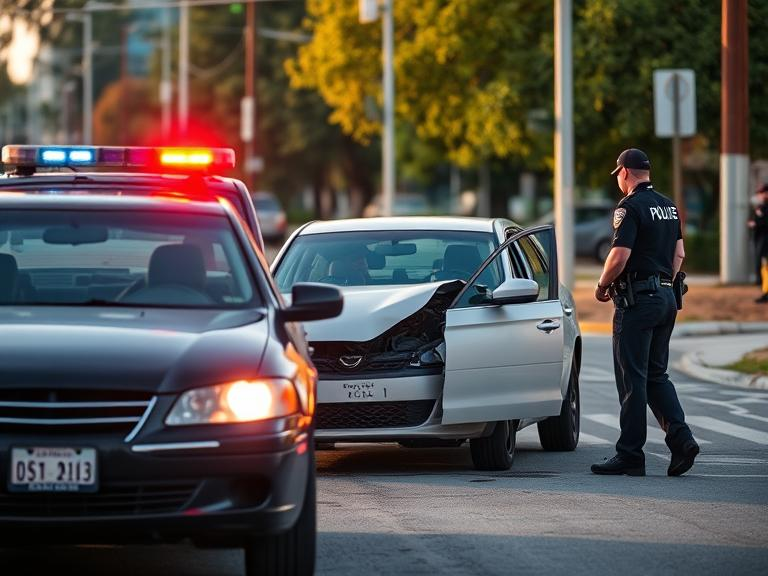
Experiencing a car accident can be overwhelming and confusing. Understanding when to involve law enforcement and what information to provide is essential for your protection and future claims. This guide will help you navigate the process of reporting an accident and dealing with the police in Ontario.
When Is It Necessary to Call the Police?
In Ontario, you must call the police under certain circumstances, such as:
- Injuries: Even minor injuries require a police report.
- Fatalities: If someone dies as a result of the crash.
- Significant Property Damage: When the damage to property or vehicles exceeds $2,000.
- Hit and Run: If the other driver leaves the scene without providing their details.
- Impaired Driving: If you suspect the other driver is under the influence of drugs or alcohol.
- Criminal Behavior: If you believe the accident involves criminal activity, such as a stolen vehicle or road rage.
If the crash doesn’t meet these conditions, you should still call the police if:
- You’re unsure of the damage or injuries.
- The other driver is hostile or uncooperative.
- You want an official record for insurance purposes.
What to Do While Waiting for the Police
If the police are on their way, it’s important to stay at the scene, especially if there are injuries or significant damage. Leaving before they arrive may be considered a hit and run, which is a serious violation. While waiting, take these steps:
- Exchange Information: Get the names, phone numbers, driver’s license numbers, insurance details, and license plate numbers of all parties involved.
- Take Photos and Videos: Document the scene, including vehicle positions, damage, and any relevant road conditions.
- Speak to Witnesses: Gather names and contact details from any witnesses who observed the incident.
- Remain Calm: Avoid discussing fault with anyone. Simply exchange information and let the authorities handle the situation.
What You Should Share with the Police
When the police arrive, be prepared to provide the following:
- Your driver’s license, vehicle registration, and proof of insurance.
- A clear, factual description of the accident—avoid guessing or placing blame.
- Contact details for any witnesses.
- Information about any injuries or damages sustained.
How the Police Will Handle the Incident
The officers will:
- Investigate the scene and collect evidence.
- Interview all drivers and witnesses involved.
- Issue traffic violation tickets if necessary.
- File an accident report that will be useful for your insurance claim.
Key Takeaways
- Always report accidents with injuries, fatalities, significant damage, or other critical conditions.
- Wait for police arrival, especially if there are injuries or significant property damage.
- Collect necessary information from other drivers and witnesses.
- Provide the police with accurate, factual details.
Additional Considerations
- Stay calm and cooperative with the police.
- Avoid arguing or assigning blame to others.
- Obtain a copy of the accident report for insurance purposes.
- Seek medical care for any injuries, even minor ones, as they might worsen over time.