
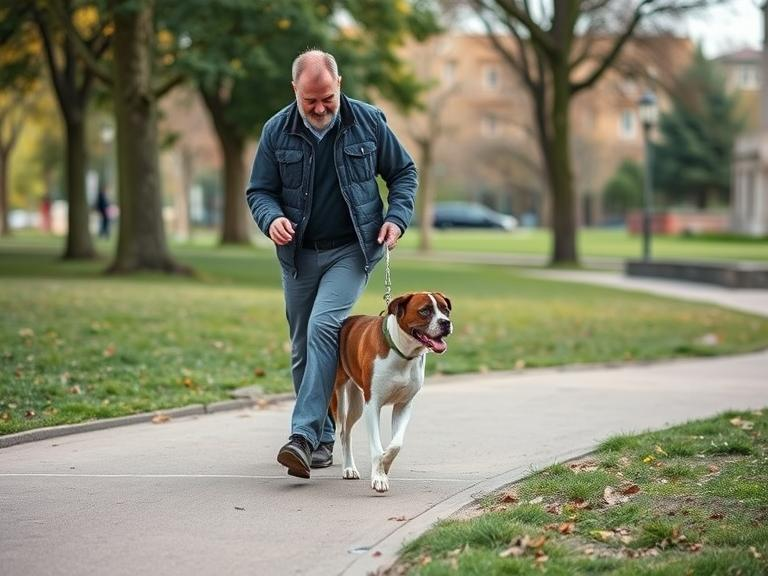
Ontario is home to a diverse group of dog lovers, but with dog ownership comes responsibility. To ensure the safety of the public and the welfare of animals, the province has established laws governing dog ownership, liability, and dangerous dogs. Here’s what you need to understand about the legal framework surrounding dogs in Ontario.
Overview of Dog Ownership Laws
The Dog Owners’ Liability Act (DOLA), passed in 2005, defines the legal responsibilities of dog owners in Ontario. Under DOLA, dog owners are strictly liable for any damages caused by their dog’s aggressive behavior, whether or not they were aware of the dog’s temperament. This liability applies to both personal injuries and property damage caused by a dog attack.
DOLA also requires that dogs be kept under control at all times, either securely confined to the owner’s property or properly restrained when in public. Failure to comply with these regulations can result in fines, legal action, or even the seizure of the dog.
Liability and Compensation
When a dog causes harm, the injured party may pursue legal action to seek compensation for medical expenses, lost wages, pain and suffering, and property damage. Ontario follows the principle of contributory negligence, meaning that compensation could be reduced if the injured party’s actions contributed to the incident.
Many homeowners’ insurance policies in Ontario cover liability for dog-related incidents, providing financial protection in the event of a lawsuit. In some areas, municipalities also require dog owners to carry specific liability insurance.
Dangerous Dogs and Breed-Specific Legislation
Ontario introduced breed-specific legislation (BSL) in 2005 to address concerns over certain dog breeds associated with violent incidents. The law prohibits the ownership of specific breeds, including pit bulls and other similar types. Existing pit bulls in Ontario were grandfathered in but must comply with strict regulations, such as mandatory sterilization and muzzling in public.
However, BSL has been controversial, with critics arguing that it unfairly targets certain breeds rather than addressing the root causes of aggression. In 2019, Ontario’s government began to reconsider the legislation and announced plans to repeal it, opting for a more evidence-based approach to managing dangerous dogs.
Enforcement and Penalties
Municipal bylaw officers are responsible for enforcing dog ownership laws in Ontario, including issuing fines, investigating complaints, and seizing dogs that pose a threat. The Ontario Society for the Prevention of Cruelty to Animals (OSPCA) is also involved in enforcing animal welfare laws and prosecuting cases of cruelty.
Penalties for violating dog ownership laws can range from fines to criminal charges in the event of serious injuries or fatalities caused by a dog attack. In extreme cases, charges such as manslaughter or criminal negligence may be filed against the dog’s owner.
Conclusion
Ontario’s dog ownership laws aim to balance public safety with the rights of responsible dog owners. Understanding these regulations can help prevent accidents and ensure that all dogs are properly controlled. As the province continues to review and update its dog laws, fostering responsible pet ownership remains key to maintaining safety and harmony between people and pets.