
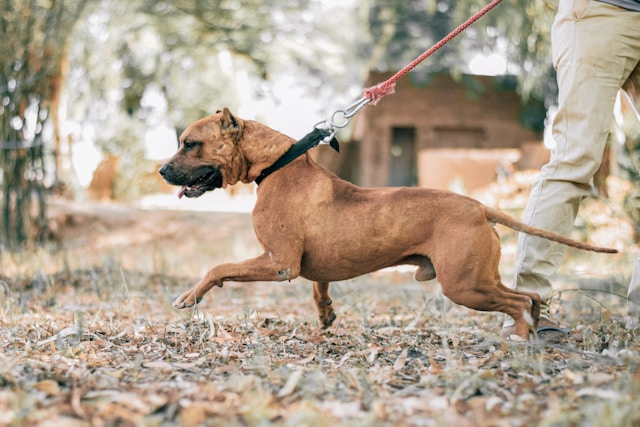
Dogs provide loyal companionship, emotional comfort, and joy to millions of households across Ontario. However, ownership comes with serious responsibilities—especially when it comes to preventing aggression or injury. Understanding your legal obligations under Ontario’s dog laws, and adopting good care and training practices, helps promote safety and positive relationships in your community.
Legal Accountability Under Ontario’s Dog Laws
In Ontario, the Dog Owners’ Liability Act sets out the legal responsibilities of pet owners. One of the key elements of this legislation is strict liability. This means that if your dog injures someone or causes damage, you can be held legally and financially responsible, regardless of your dog’s breed, past behaviour, or whether you were aware of any potential danger.
Municipal laws also come into play, with many cities and towns enforcing leash regulations that require dogs to be under control in public areas. In more serious situations, such as repeat aggressive incidents or severe attacks, your dog may be classified as dangerous. This can lead to legal restrictions, including mandatory muzzling or confinement.
Responsible Ownership in Practice
Beyond legal requirements, responsible ownership means taking steps to prevent incidents before they happen. This begins with early socialization. Exposing your dog to various people, animals, and environments helps reduce fear and builds confidence.
Training is equally important. Basic commands like sit, stay, and come are essential tools for maintaining control and managing your dog in unpredictable situations. Proper training also makes your dog easier to handle in public spaces, reducing the likelihood of aggressive reactions.
Understanding your dog’s body language can also make a significant difference. Being able to recognize signs of stress or discomfort—such as growling, stiff posture, or excessive panting—allows you to intervene before a situation escalates.
Leash use is another vital area. While leash laws are legally binding, using the right kind of leash can make walking your dog safer. A sturdy, non-retractable leash offers better control, especially in crowded or busy areas.
Responsible social interactions also matter. Ask permission before allowing your dog to approach another dog or person, and discourage jumping or rough behaviour. Always clean up after your dog, as waste can attract attention from other dogs and lead to territorial disputes.
Vaccinations should be kept up to date to prevent the spread of diseases, particularly in the event of a bite or altercation.
Managing Behavioural Challenges
If your dog begins to show signs of aggression or reactivity, early intervention is crucial. Consulting a professional dog trainer or animal behaviourist can help address the root causes and prevent future problems. Many issues can be managed or corrected through consistent training, structure, and expert guidance.
Building Positive Relationships
Using reward-based training methods strengthens the bond between you and your dog while encouraging good behaviour. Reinforce positive actions with praise or treats, and remain patient and consistent in your approach. Inconsistency can create confusion and increase the risk of behavioural issues.
Being proactive about your dog’s behaviour and well-being not only keeps others safe—it also protects your pet from potentially serious consequences. Responsible dog ownership benefits everyone and helps ensure that dogs remain a welcome and safe part of our communities.