
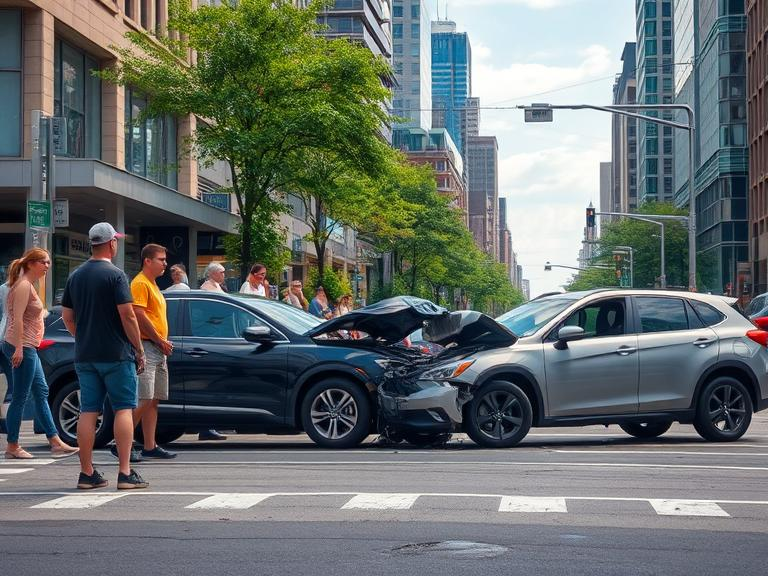
Car accidents on Ontario roads can be stressful and confusing, particularly when determining who is at fault. Establishing fault is critical because it affects insurance claims and potential legal consequences. While police reports and physical evidence are important, witness statements often play a crucial role in providing a clear picture of the accident.
Determining fault in Ontario involves multiple factors. The Highway Traffic Act outlines drivers’ responsibilities, and violations of these rules are often key indicators of fault. Police officers investigate accidents, document violations, and issue tickets, providing reports that carry significant weight. Additionally, evidence from the scene, including photos, videos, and vehicle damage, helps reconstruct the collision.
Independent witnesses provide an unbiased perspective, which can be invaluable. Witnesses can corroborate or challenge the drivers’ accounts, fill in gaps about road conditions, traffic signals, or vehicle movements, and help establish which driver was negligent or reckless. Collecting witness information immediately after an accident increases the chances of obtaining reliable accounts. This includes names, contact details, and brief statements at the scene. You can also canvass nearby businesses, return to the scene later, or post requests for witnesses on local social media pages.
When interviewing witnesses, ask for their location during the accident, what they saw and heard, whether they noticed traffic violations, and ensure you have their contact information for follow-up. If a case proceeds to court, witnesses may be called to testify, making their accounts a vital part of the legal process. Securing witness testimony is essential for protecting your rights and ensuring an accurate determination of fault in Ontario car accidents.