
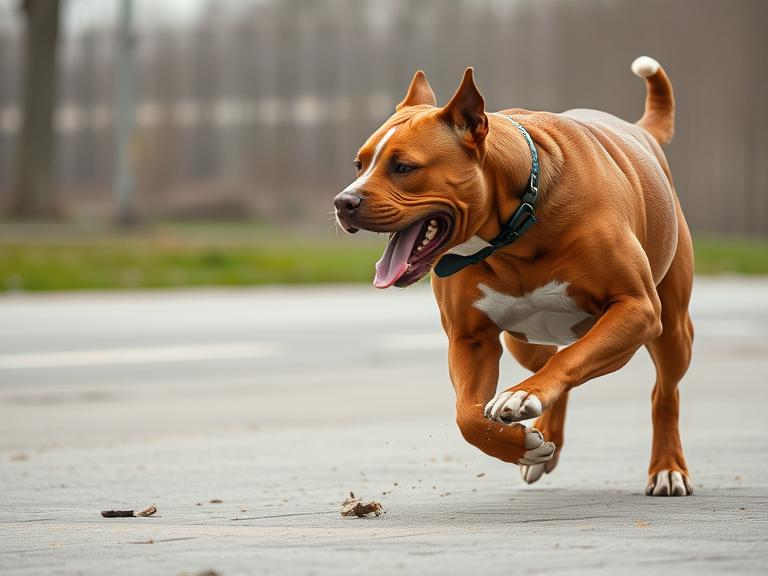
The issue of dog bites continues to raise concerns in Ontario, with the province grappling with how best to protect the public while addressing the issue of dangerous dogs. The 2005 amendments to the Dog Owners’ Liability Act (DOLA) introduced a ban on pit bulls in response to public fear and media reports of dog attacks. However, the effectiveness and fairness of this breed-specific legislation (BSL) have been heavily debated. This article explores the consequences of the pit bull ban and offers a critical view on its impact on dog bite laws.
The Response to Public Pressure
The pit bull ban was introduced after several highly publicized dog bite incidents, often involving pit bulls. The media’s portrayal of pit bulls as aggressive fueled public fear, leading lawmakers to take action. The legislation restricts ownership of pit bulls and pit bull mixes, with strict regulations applied to existing dogs of these breeds.
The Debate on the Ban’s Effectiveness
The ban’s success in reducing dog bites is still a contentious issue. While some argue that it has helped lower the number of attacks involving pit bulls, others highlight several shortcomings:
- Overall Dog Bite Rates Remain Unchanged: Statistics from animal control agencies indicate that while pit bull attacks may have decreased, the overall number of dog bites hasn’t significantly fallen.
- Shift in Focus: Some believe the ban has diverted attention away from responsible dog ownership and instead criminalized a specific breed. This may have led to an increase in bites from other breeds that aren’t subject to the same restrictions.
- Targeting Breed Over Behavior: Critics argue that breed-specific legislation unfairly targets certain dog breeds based on their appearance, ignoring the fact that any dog has the potential to exhibit aggression, especially when not properly trained or socialized.
Unintended Consequences of the Ban
The pit bull ban has created a number of unintended legal challenges and social issues:
- Misidentification: Defining a pit bull by physical traits has led to confusion, with some dogs being wrongfully classified as pit bulls when they may be mixes of other breeds. This creates problems for responsible dog owners who may face penalties even though their dogs aren’t pit bulls.
- Underground Breeding: The ban may have driven pit bull breeding underground, possibly fostering irresponsible breeding practices that result in health risks and poorly socialized dogs.
- Focusing on Appearance Rather than Behavior: The focus on breed has sometimes overlooked the behavior of individual dogs, allowing potentially dangerous dogs of other breeds to go unaddressed.
Moving Beyond the Ban: A Better Approach
A more effective solution to dog bite incidents could involve a shift toward responsible ownership and breed-neutral laws. Key areas of focus include:
- Education on Responsible Dog Ownership: Encouraging responsible practices such as early socialization, training, and understanding canine behavior can help prevent bites across all breeds.
- Dangerous Dog Designations: Regulations that allow dogs to be designated as dangerous based on their behavior, rather than their breed, can be a more effective way to reduce incidents.
- Stricter Enforcement of Existing Laws: Enforcing leash laws and other regulations more effectively, alongside public education campaigns, can help address the root causes of dog attacks.
Conclusion: Moving Beyond Breed-Specific Legislation The pit bull ban in Ontario has sparked significant debate about its fairness and effectiveness. While it was intended to protect the public, its impact on reducing dog bites remains questionable. A focus on responsible dog ownership, behavior-based regulations, and better enforcement could provide a more balanced approach to preventing dog attacks and ensuring public safety.