
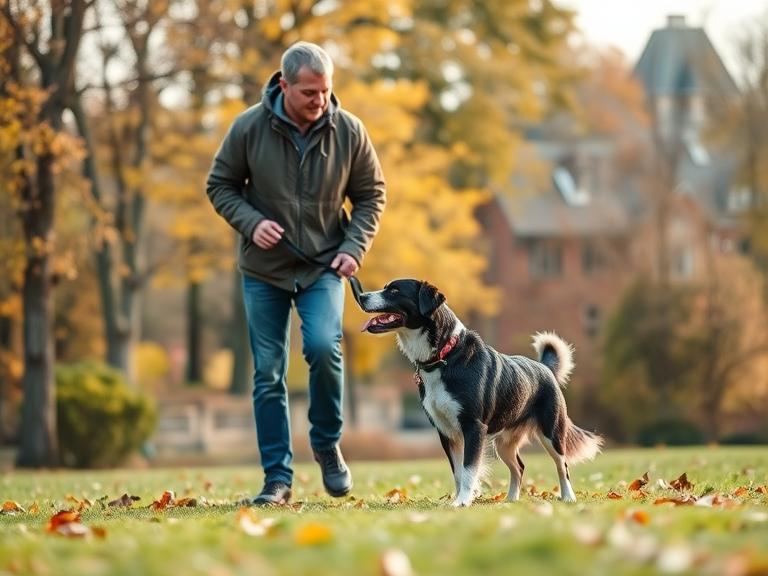
Building Safer Bonds Between Dogs and Communities
While dogs are beloved companions, their natural instincts must be managed responsibly to prevent aggressive behavior. Behavioral training is an essential part of raising a well-adjusted pet and plays a pivotal role in reducing the risk of dog attacks in our communities.
How Behavioral Training Addresses Dangerous Behaviors
Behavioral training is more than teaching a dog to sit or stay. It’s about understanding and reshaping how dogs respond to various situations. From anxiety to aggression, professional trainers evaluate a dog’s actions and introduce tailored strategies to reduce problematic behavior.
- Pinpointing Aggression and Redirecting Behavior: Trainers identify the root causes of a dog’s aggression, whether it stems from fear, territory, or frustration. The focus is on replacing reactive behavior with calm, appropriate responses while offering healthier outlets for excess energy.
- Improving Social Skills Through Exposure: Dogs benefit from controlled socialization with new people, environments, and other pets. Behavioral training provides these experiences in safe settings, reducing the chance of fear-based reactions or unpredictability in unfamiliar scenarios.
- Creating Clear Communication Channels: A large part of training is teaching owners how to effectively communicate with their dogs. Positive reinforcement strengthens trust, helping dogs understand expectations and eliminating confusion that may lead to aggression.
- Proactive Management Techniques: In cases where triggers can’t be eliminated, trainers often equip owners with tools—like calming spaces, muzzles, or structured routines—to better manage high-stress situations and avoid potential incidents.
Why This Matters: The Broader Benefits of Training
- Intervention Before Problems Escalate: Behavioral issues often start small. Early training helps catch red flags before they evolve into dangerous habits, keeping both dogs and the people around them safe.
- Empowered, Educated Owners: Well-trained dogs start with well-informed owners. Training programs equip people with strategies that rely on trust-building rather than punishment, reducing fear and encouraging obedience.
- Lowering the Risk of Harm: By addressing the emotional drivers behind a dog’s aggression—fear, insecurity, or overstimulation—behavioral experts reduce the likelihood of biting or attacking behaviors.
- Promoting Responsible Pet Ownership: Training reflects an owner’s commitment to their dog’s welfare and their community’s safety. Investing in behavioral support sends a message that the pet’s role in society is taken seriously.
In Summary
Behavioral training is more than a tool—it’s a responsibility. By identifying triggers, promoting healthy social interactions, and strengthening communication, dog owners can reduce the risk of aggression. With the help of trainers and behavioral experts, we can create communities where dogs thrive as safe, well-mannered members of society.