
A simple trip in a grocery aisle can turn into a life-altering accident. One moment I was browsing the shelves, the next I was on the floor, groceries scattered, and a sharp pain in my ankle. What seemed minor became a multi-week ordeal involving medical bills and a crash course in Ontario trip and fall liability.
Common Causes of Trip and Fall Accidents
Trip and fall incidents often stem from preventable hazards:
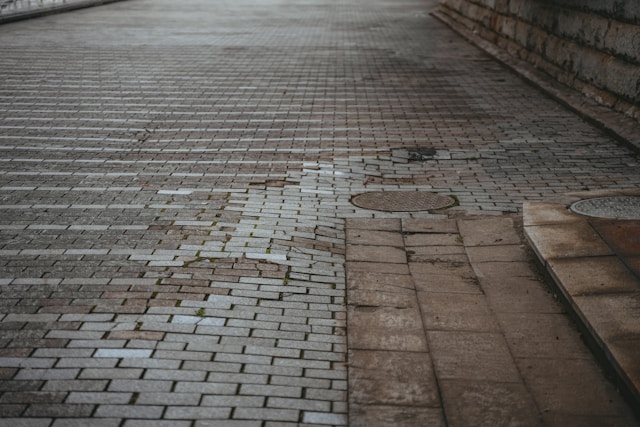
- Uneven Flooring: Cracked tiles, loose carpet edges, or uneven surfaces can catch a foot unexpectedly.
- Obstructions: Toys, merchandise, leaves, or other debris can create dangerous obstacles.
- Poor Lighting: Dim or flickering lights make hazards hard to detect.
- Missing Handrails: Stairs without proper support increase fall risk.
Determining Liability
Ontario’s “occupier’s liability” principle governs these accidents. Property owners must maintain reasonably safe conditions for visitors, but victims also have a responsibility to exercise caution. Liability depends on whether the property owner breached their duty of care and if that breach caused the fall. Scenarios include:
- Full Liability: The owner ignored a large spill or obvious hazard.
- Shared Responsibility: The injured person missed a minor, visible defect.
- No Liability: Sudden, unforeseeable hazards, such as a recently dropped object.
Navigating Legal Steps
Documenting the incident is essential:
- Photographs: Capture the hazard and surrounding area.
- Witness Statements: Collect accounts from anyone who saw the fall.
- Medical Records: Link injuries to the incident.
Consulting a personal injury lawyer helps determine responsibility and guides you through potential claims.
Lessons from the Experience
Recovering from a trip and fall accident highlighted the importance of vigilance, both as property owners and individuals. Key steps for victims include seeking medical care, documenting the scene, reporting the incident, and consulting legal professionals. Awareness of common hazards and legal responsibilities helps reduce risk and navigate the aftermath effectively.