
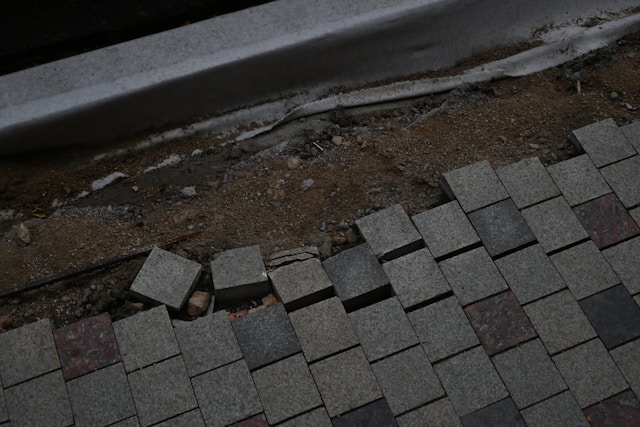
A simple walk down an Ontario street can unexpectedly lead to a serious fall. What may appear to be a minor stumble can result in significant injuries, medical expenses, and complicated questions about liability. Understanding the causes and legal implications of trip and fall accidents is essential for every resident.
Hidden Hazards and Common Causes
Ontario’s urban environments present numerous risks. Uneven sidewalks, cracked pavement, potholes, and neglected public areas are frequent contributors to accidents. Weather often makes conditions worse—autumn leaves, winter ice, and spring rains can conceal dangers that would otherwise be visible.
Something as small as a lifted edge of concrete or a broken curb can easily cause a fall. These issues often arise from natural wear or inadequate maintenance, making both municipalities and private property owners responsible for identifying and addressing them.
The Impact of a Fall
Trip and fall injuries can range from bruises to broken bones and can lead to lost income, medical costs, and emotional stress. Victims frequently face extended recovery periods that affect their work and daily lives.
Legal Responsibilities of Property Owners
Ontario law places a duty of care on property owners and occupiers. They must keep their premises reasonably safe for anyone who enters. This includes performing regular inspections, repairing hazards promptly, and responding quickly to reports of danger.
If a hazard is known—or should have been known—and remains unaddressed, the property owner may be held liable for resulting injuries. For example, if a city fails to repair a reported sidewalk crack or a business ignores a known flooring issue, negligence may be established under the Occupiers’ Liability Act.
Seeking Compensation
After a fall, victims may pursue compensation for medical costs, lost wages, and other damages. Consulting a personal injury lawyer can be invaluable. A lawyer can help collect key evidence such as photographs, medical reports, and witness statements, and guide victims through Ontario’s claims process.
Shared Responsibility and Comparative Negligence
Ontario applies the principle of comparative negligence, meaning fault may be divided between the property owner and the injured individual. If the victim was distracted or not paying attention at the time of the accident, their compensation could be reduced accordingly.
Reflection and Prevention
Trip and fall incidents highlight the importance of safety awareness and accountability. Property owners must remain diligent in maintaining their spaces, and pedestrians should stay alert to potential hazards. By taking preventative action, communities across Ontario can reduce injuries and promote safer public spaces.