
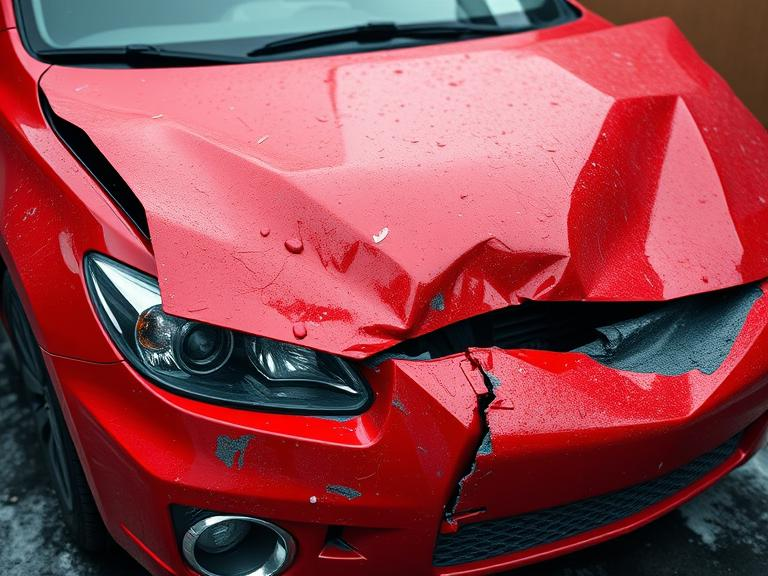
Experiencing a car accident in Ontario can be overwhelming, not only because of potential injuries but also the uncertainty about your vehicle’s fate. One of the first major decisions following an accident involves determining whether your car can be repaired or if it will be declared a total loss (write-off). Knowing the criteria behind this choice can have significant financial and practical implications.
What Distinguishes a Write-Off from a Repairable Vehicle?
When an accident damages your vehicle, your insurance company evaluates the situation to decide if repairing the car is cost-effective or if it’s better to declare it a write-off. This determination depends on several critical aspects:
- Comparing Repair Costs to Vehicle Value: The primary factor is whether the cost of repairs surpasses the car’s actual cash value (ACV) before the accident, adjusted by subtracting salvage value (the worth of the vehicle’s parts). If repair expenses exceed this threshold, the vehicle is likely to be declared a write-off.
- Extent of Damage: Severe harm to structural elements such as the frame, airbags, or engine components often leads to costs that outweigh the car’s value, pushing it toward being written off.
- Safety Considerations: If the vehicle cannot be restored to a safe condition, insurers typically decide on a write-off to prevent future risks.
Warning Signs Your Vehicle Could Be Declared a Total Loss
Certain indicators often point toward a write-off:
- Severe Structural or Body Damage: Significant dents, crushed panels, or a bent frame frequently mean repair is impractical.
- Airbag Deployment: Airbag replacement is expensive and can drive repair costs close to or beyond the vehicle’s value.
- Flood Damage: Water intrusion is difficult to remediate fully and often results in write-offs.
- Older Cars with Lower Value: Vehicles with modest market value might be written off even with moderate damage.
What Happens If Your Vehicle Is Declared a Write-Off?
If your car is deemed a total loss, expect the following process:
- Insurance Settlement: Your insurer offers compensation based on your car’s pre-accident value minus any deductible.
- Salvage Title Issued: The vehicle is branded with a salvage title, restricting legal road use.
- Disposal Options: You can sell the damaged vehicle to salvage yards or buyers interested in parts.
Choosing to Repair: Important Considerations
If your car is repairable, keep these points in mind:
- Get Multiple Repair Estimates: Obtain quotes from trusted auto shops to confirm repair costs are reasonable.
- Diminished Value Awareness: Accidents can lower a vehicle’s resale price; you might negotiate with your insurer for compensation for this loss.
- Warranty Assurance: Ensure repairs come with a warranty to protect against future problems stemming from the accident.
Additional Factors That Could Influence Your Decision
Making the repair vs. write-off choice can be more complex than it seems. Consider:
- Outstanding Car Loans: Insurance payouts may not cover the full loan balance.
- Emotional Attachment: You might opt to repair a beloved car despite financial considerations.
- Seeking Legal Advice: In disputes or unclear situations, a lawyer’s guidance can be invaluable.
Final Thoughts on Post-Accident Vehicle Decisions
Understanding how insurers evaluate damage, repair costs, and safety helps you make informed decisions after a collision in Ontario. Don’t hesitate to consult professionals—mechanics or legal experts—to ensure your best interests are served.