
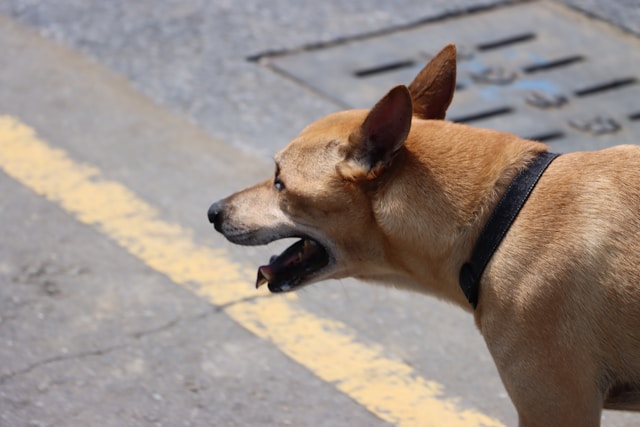
Experiencing a dog attack can be frightening and traumatic. Beyond physical injuries, victims often face emotional distress and uncertainty about what to do next. In Ontario, Animal Control plays a vital role in investigating dog attacks and ensuring public safety. Knowing what steps to take immediately after an incident can help you protect yourself and your rights.
Prioritizing Safety and Medical Care
Your safety should always come first. Move to a secure area if the dog is still nearby and avoid confronting it. Once safe, seek medical attention right away—even minor bites can lead to infection or complications. Medical records also serve as important evidence should you pursue legal or insurance claims later.
Reporting the Incident to Animal Control
After receiving medical care, report the attack to your local Animal Control agency. They are responsible for investigating the incident, determining the risk posed by the dog, and taking necessary enforcement actions. Provide detailed information about the dog, the location of the attack, and any witnesses.
What Happens During an Animal Control Investigation
Once a report is filed, Animal Control officers will begin fact-finding by contacting you and any witnesses. They may visit the scene to gather evidence and assess environmental factors such as leash laws or warning signage. The dog involved may undergo a veterinary examination and behavioral assessment to evaluate its health and temperament.
Possible Outcomes of an Animal Control Investigation
Depending on their findings, Animal Control can take several actions. These include issuing fines to the owner for bylaw violations, mandating muzzle orders for the dog in public, or requiring obedience training. In cases involving serious injuries or repeat offenses, Animal Control may quarantine or seize the dog and, in extreme situations, consider euthanasia following a formal hearing.
Following Up and Protecting Your Rights
Maintain communication with the assigned Animal Control officer to stay informed about the progress of your case. Keep detailed records of all correspondence, medical bills, and any related documents. If you wish to pursue legal action, consult a lawyer experienced in Ontario dog bite cases. You may also file insurance claims to recover medical or property damage costs.
Emotional and Legal Support
Recovering from a dog attack can be emotionally challenging. Consider speaking with a counselor or therapist to process the trauma. Legal professionals can help ensure that your rights are upheld and that you receive appropriate compensation for your injuries and losses.
Conclusion
Knowing how to respond after a dog attack in Ontario is essential for your safety and peace of mind. By seeking medical attention, reporting the incident to Animal Control, and keeping thorough documentation, you can protect your rights and help prevent future attacks.