
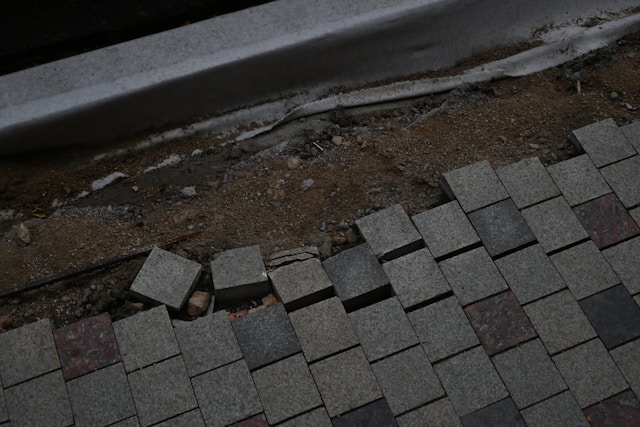
If you trip and fall due to uneven pavement on private property in Ontario, it’s important to act swiftly and correctly to protect your health and legal rights. This guide outlines the necessary steps to take after a trip-and-fall incident, ensuring you address the situation appropriately and explore any potential legal recourse.
1. Assess Your Health First
Immediately after a fall, evaluate your physical condition. Look for signs of injury, such as cuts, bruises, or pain in any area of your body. If you’re unable to move or are in significant pain, seek medical help right away. It’s essential not to ignore any symptoms, even if they seem minor at first.
2. Inform the Property Owner
Report the fall to the property owner or manager as soon as possible. Describe where and how the incident occurred. Ask them to document the event in writing and request a copy for your own records. This documentation will be valuable if you pursue legal action later on.
3. Document the Scene
Take clear photos of the uneven pavement, as well as any other potential hazards in the area that contributed to your fall. If possible, include any visible signs of the defect and the surrounding environment to create a full picture of the scene.
4. Witness Testimonies
If there were any bystanders or witnesses to your fall, ask for their contact details and request written statements about what they saw. Their testimony can help corroborate your version of the events and support any claims you may make later.
5. Preserve Evidence
Keep any clothing or personal belongings that were damaged during the fall, as they can serve as valuable evidence. Do not attempt to alter or repair them, as their condition may be relevant to your case.
6. Seek Medical Attention
Regardless of how minor your injuries may seem, it’s crucial to see a doctor after a fall. Some injuries, like concussions or fractures, may not be immediately obvious. Prompt medical attention can prevent complications and provide necessary documentation of your injuries.
7. Notify Your Insurance Provider
Inform your insurance company about the fall if you have health insurance that covers the incident. They can assist with processing any claims and help cover medical expenses related to your injuries.
8. Consult a Personal Injury Lawyer
If you’ve sustained serious injuries or believe the property owner is at fault, it may be helpful to consult a personal injury lawyer. A lawyer can assess your case, guide you through the claims process, and advocate for your right to compensation.
9. Know Your Legal Rights
Ontario’s occupiers’ liability laws hold property owners responsible for maintaining safe premises. Familiarizing yourself with these laws will help you understand your rights and what the property owner’s duties are toward visitors.
10. Keep Thorough Records
Document every aspect of your recovery, including medical treatments, appointments, and any related expenses. This record will be essential if you decide to file a claim or take legal action.
By following these steps after a trip-and-fall on private property, you can protect your well-being and explore potential compensation for your injuries. The key is to act promptly, gather evidence, and seek appropriate medical and legal support.